
Blog

How did you plan and schedule your NanoDays event?

For this installment of the NanoDays Blog, I want you to answer the question: How did you plan and schedule your NanoDays event?
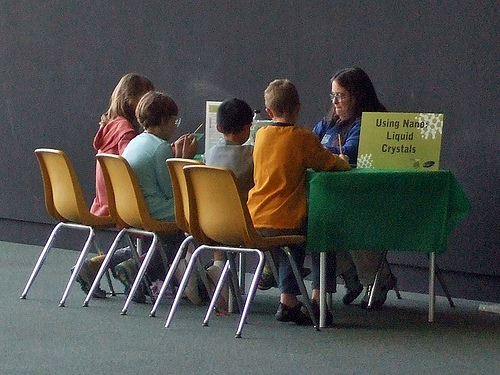
NanoDays 2009 at Maryland Science CenterNanoDays 2009 at Maryland Science Center

Here are some specific questions to help get you thinking. Please post your answers in the comments below.

  • What was the size and scope of NanoDays at your institution?
  • What critical paths did you take from envisioning NanoDays to hosting it? Were your expectations met? If they were, what advice do you have for others? If they weren't, how did you handle it?
  • Did you use any social networking or web-based services to help plan, schedule, recruit, advertise, or follow-up? If so, which ones and how'd it go? If not, how come?
  • If this was your second NanoDays, what did you do differently in planning and scheduling this year?
  • Regardless of how many NanoDays you've hosted, what will you do differently next year?

I look forward to your responses!

Comments

default member photo

We started by brainstorming

Submitted by kgorga on Tue, 06/30/2009 - 12:31.

We started by brainstorming (mostly using the NISEnet catalog) any and every activity that possibly appealed to us. From there, we narrowed down the list into what was most feasible for us to do (money-wise, staffing-wise, etc.) and what would work best with our typical guest demographic. Narrowing this list was a several-month long process, and we even dropped an activity or two quite close to the date. When we decided on the activities, we procured the necessary supplies and tried them out ourselves to make sure we knew how they were going to work. Then, we wrote a primer (including information and procedures) for each activity, and gave it to our staff to read 1-2 weeks before the actual day.

The biggest wrench in our plans was having to change the date when it was only a few weeks away, due to our museum suddenly being taken over by International Polar Year festivities that we didn't want to compete with. This wasn't too much of a problem other than having to train some different staff at the last minute, as some of the original ones couldn't make the rescheduled date.

The biggest thing we did differently this year was starting to plan much earlier and exploring a much wider breadth of activities (instead of just presenting the kit basically as-is, like we did last year), and this year's NanoDay was much better for it.