Overview
Description:
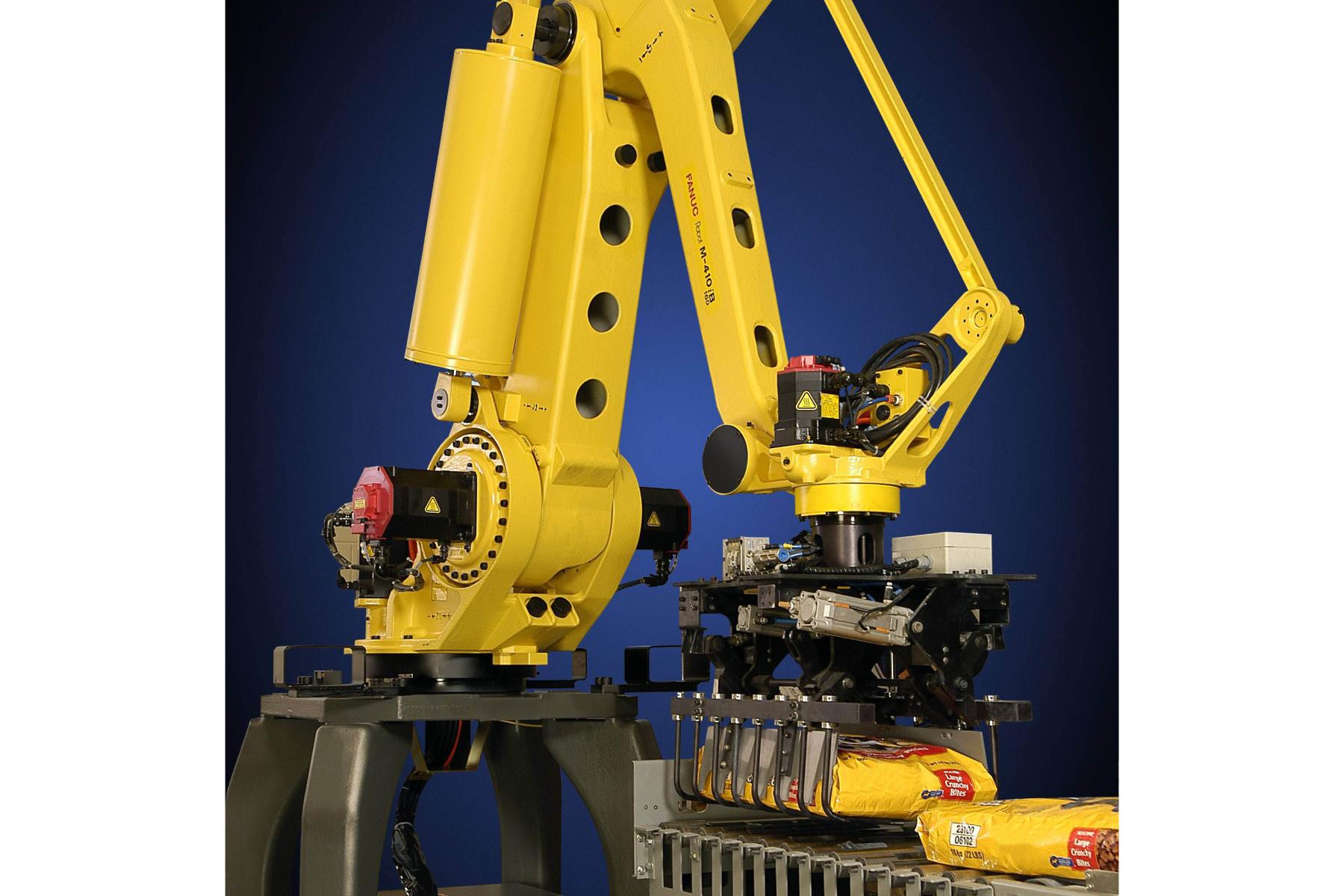
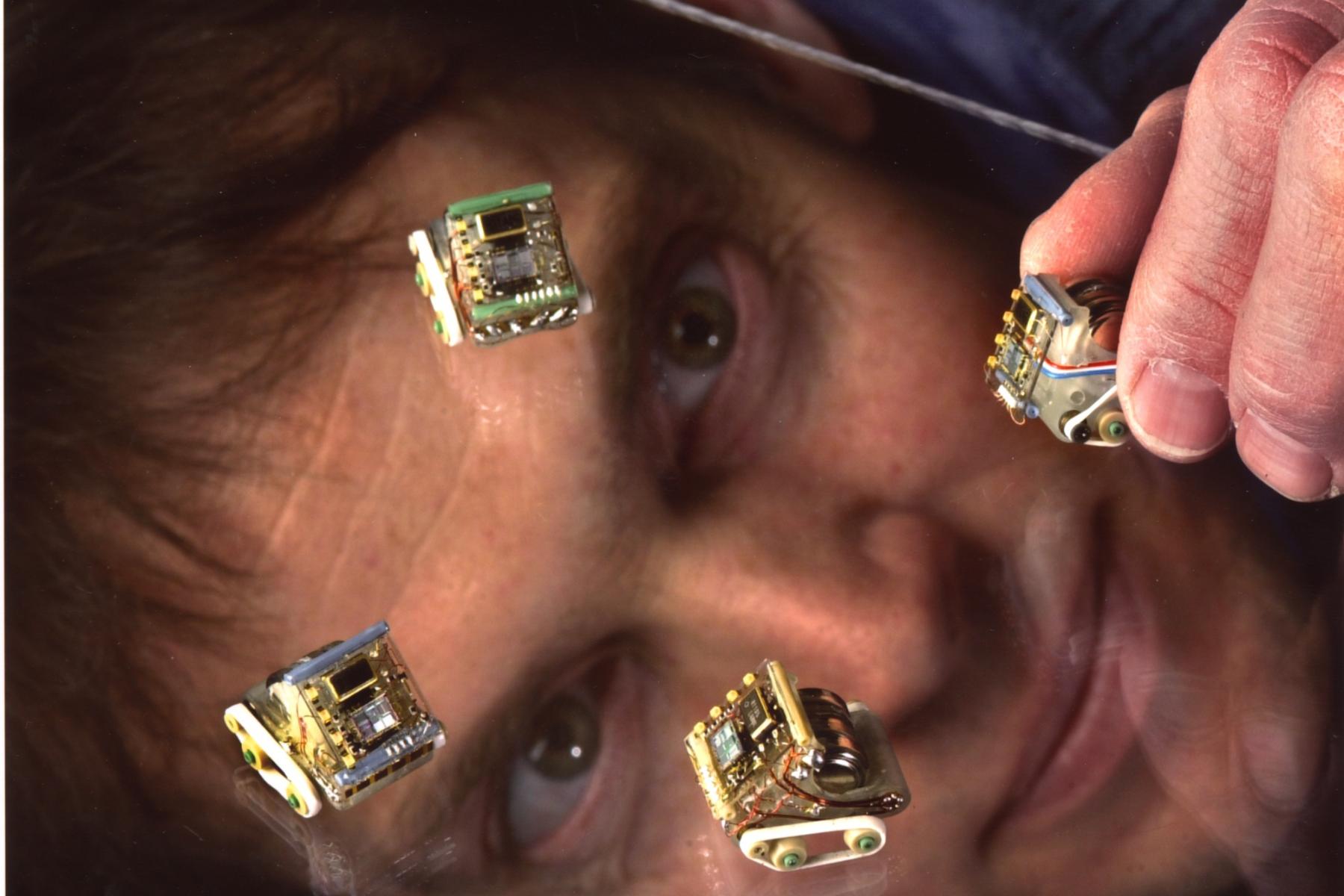
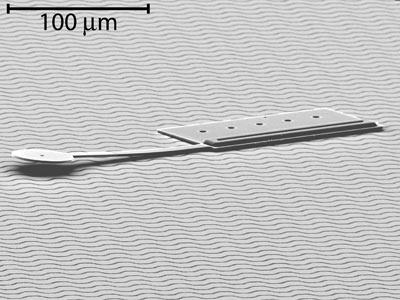
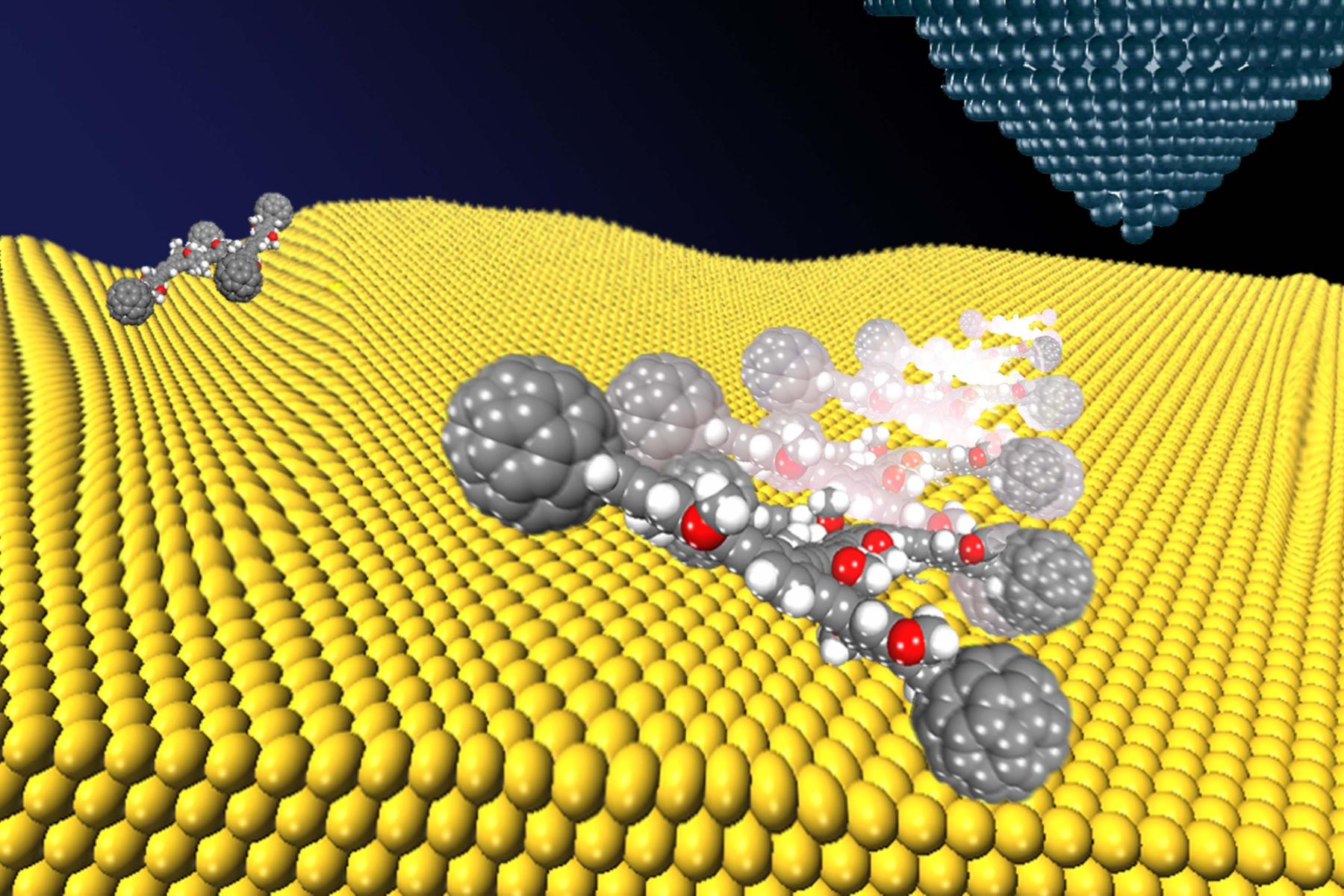
"Shrinking Robots!" explores the possibility of nanobots. Visitors learn what a robot is and how small real robots are today. They also learn that nanobots don't exist (yet) and consider some of the challenges in creating nano-sized robots. In the second part of the program, visitors design and build a robot toy from recycled and craft materials.
Checklist
Scientist reviewed?
Peer reviewed?
Visitor evaluation?
Audience
All agesStandards
Physical science:
K-4: Properties of objects and materials
5-8: Properties and changes of properties in matter
9-12: Structure and properties of matter
Science and Technology:
K-4: Abilities of technological design
K-4: Abilities to distinguish between natural objects and objects made by humans
5-8: Abilities of technological design
9-12: Abilities of technological design
Science as inquiry:
K-4: Abilities necessary to do scientific inquiry
5-8: Abilities necessary to do scientific inquiry
9-12: Abilities necessary to do scientific inquiry
Science in Personal and Social Perspectives:
K-4: Science and technology in local challenges
5-8: Science and technology in society
9-12: Science and technology in local, national, and global challenges
Resources
Files:
Links:
Video:
Evaluations
This product does not have any linked evaluations.


Science Museum of Minnesota
The Science Museum of Minnesota has a shorter version of this program. The Science Museum's 'hack'is approximately 15 minutes in duration and is meant for large audiences.
Please contact Stephanie Long for more information.
Stephanie Long
slong@smm.org
651-221-2587
Adapting the program for a children's museum
I do a bi-monthly "story time science" program at the Madison Children's Museum. This month's (March 2009) topics have been technology/physics, to coincide with the COPUS Year of Science. I decided to have "Robots" as the first topic of the month. My typical structure for program is (1) read a science-related story and then (2) engage the children to be scientists and/or engineers through a hands-on activity (with some facilitated discussion in between the two parts). I adapted the Robots program to fit this structure, and also simplified the learning goals, to address my much younger audience (0-5 years old).
My adapted learning goals were:
1. Robots are machines designed to do a special job.
2. Robots come in all different sizes.
Some auxiliary goals were: (3) Robots need power to work--like a plug or a battery and (4) Robots have to be told to do something by a person or a computer.
I began the program by reading the story "Hello, Robots" by Bob Staake (see . The story is pretty whimsical but quite clearly communicates that different robots have different jobs (and after listening the story a few of the children were easily able to tell me which robot did which kind of jobs). After the story, I asked them how big they thought robots could be--and used print outs of some of the power point slides provided to show the kids different sized robots (ranging from "the size of a kid" to "too small to see" (i.e. "as small as a freckle or a hair") and talked a little bit about how the robots were specially designed to be that size so they could do a certain task. I didn't go smaller than 1 mm, since the kids I work with are too young to really comprehend things smaller.
After the discussion, I explained the robot building activity. I presented two robots that I made as examples: pointing out what their special job was and how big they would need to be perform that special job. I also gave each kid a take away card that restated the learning goals on one side, and on the other provided space for them to fill out the important details about their robot: (1) the robot's name (2) the robot's special job and (3) how big the robot would be if he was real. After the kids were finished building, I helped them (or prompted their parents
to help them) fill out the take away card and asked them to tell me about their robots.
I didn't formally evaluate the program--but I can say that the kids were really attentive during the story and some were able to explain to me that the different robots in the story had different jobs--and tell me what sort of jobs they had (cooking vs. yard work). During the activity, a few of the younger children (~3 y.o.) appeared a little overwhelmed when determining the specific job their robot would do for them. However, it provided a great opportunity for the parent and child to brainstorm together about chores or activities that the child didn't like to do--and what special features the robot would need to have to do it for them.
Some things that I would do differently/wish had gone differently:
1. I designed the take away cards to print on avery postcards, so I could easily snap them apart along the perforations. However, printing on the postcards was a mess and jammed my printer every time. It would have been much easier to print on card stock and then just cut the sheets into 4 cards.
2. When I printed the slides, I had to print them with the black background. It would have been nice to be able to print the slides without using all that ink--or have a little more flexibility with how the graphics can be used (but, given some extra time, I'm sure I could have adjusted that in a graphics program...but I was pressed for time this time around)
If anyone is interested in the take away cards I created, please feel free to email me. I'm happy to share them!
Take away cards
My name is LaJean Burnett and I'm the Dir. of Educational Programs at Mid-America Science Museum, Hot Springs, Arkansas. I like your Shrinking Robots presentation. I would like a copy of the take away cards.
I have already planned my nanodays activities, but I would like to use this in my "Engineer It" Summer Camp.
501-767-3461 ext 15
lajeanb@midamericamuseum.org