
Forums
Climate Resiliency forums
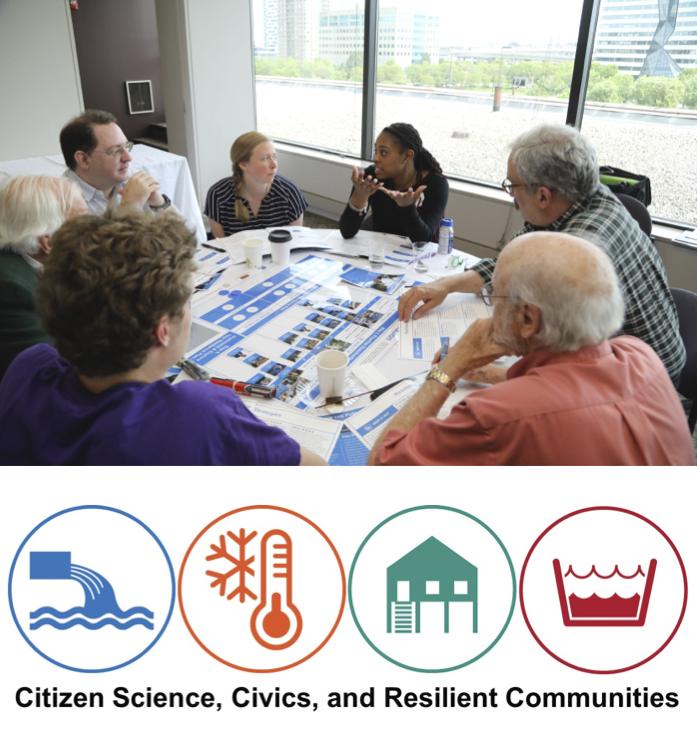
Citizen Science, Civics, and Resilient Communities (CSCRC)
Climate Hazard Resilience Forum: Drought
Climate Hazard Resilience Forum: Extreme Heat
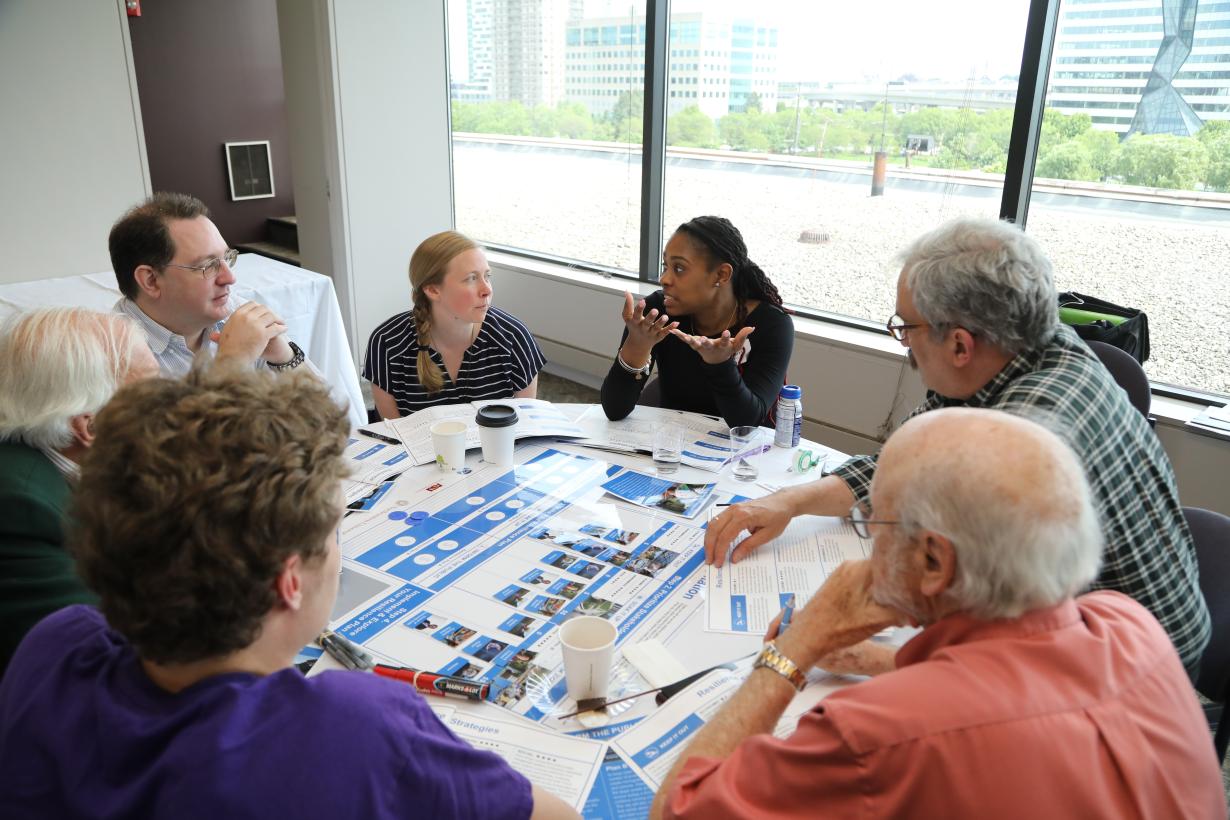
Climate Hazard Resilience Forum: Extreme Precipitation
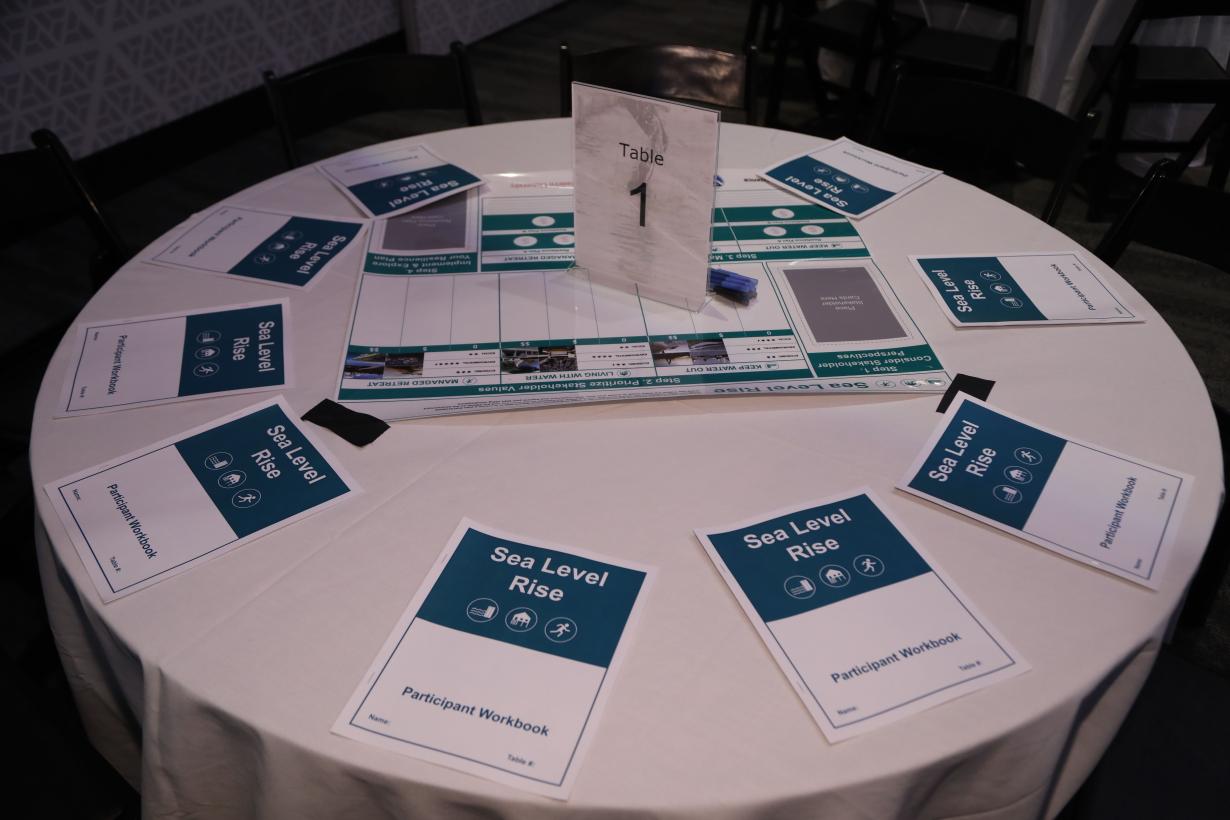
Climate Hazard Resilience Forum: Sea Level Rise
Browse all Forums
Browse all Forums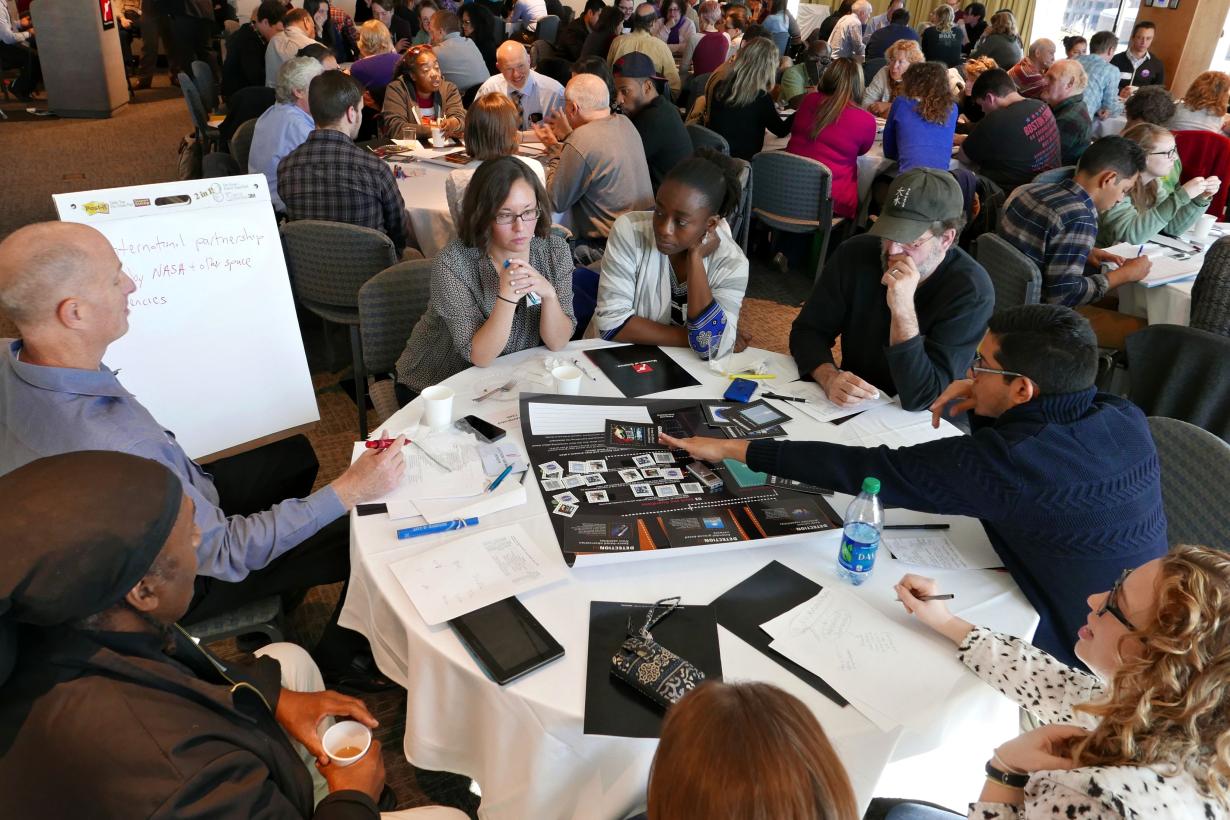
Professional Learning Resources
Browse all Professional Learning for Educators
More about Forums
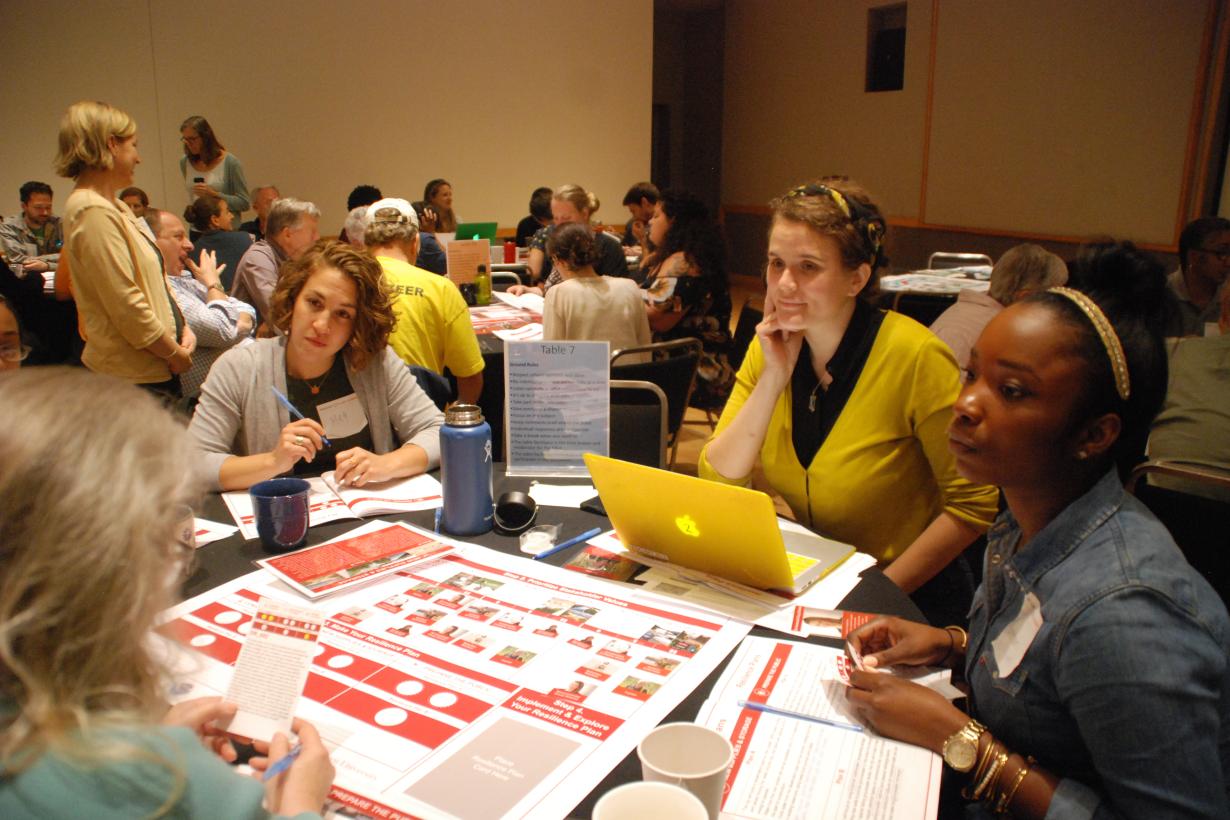
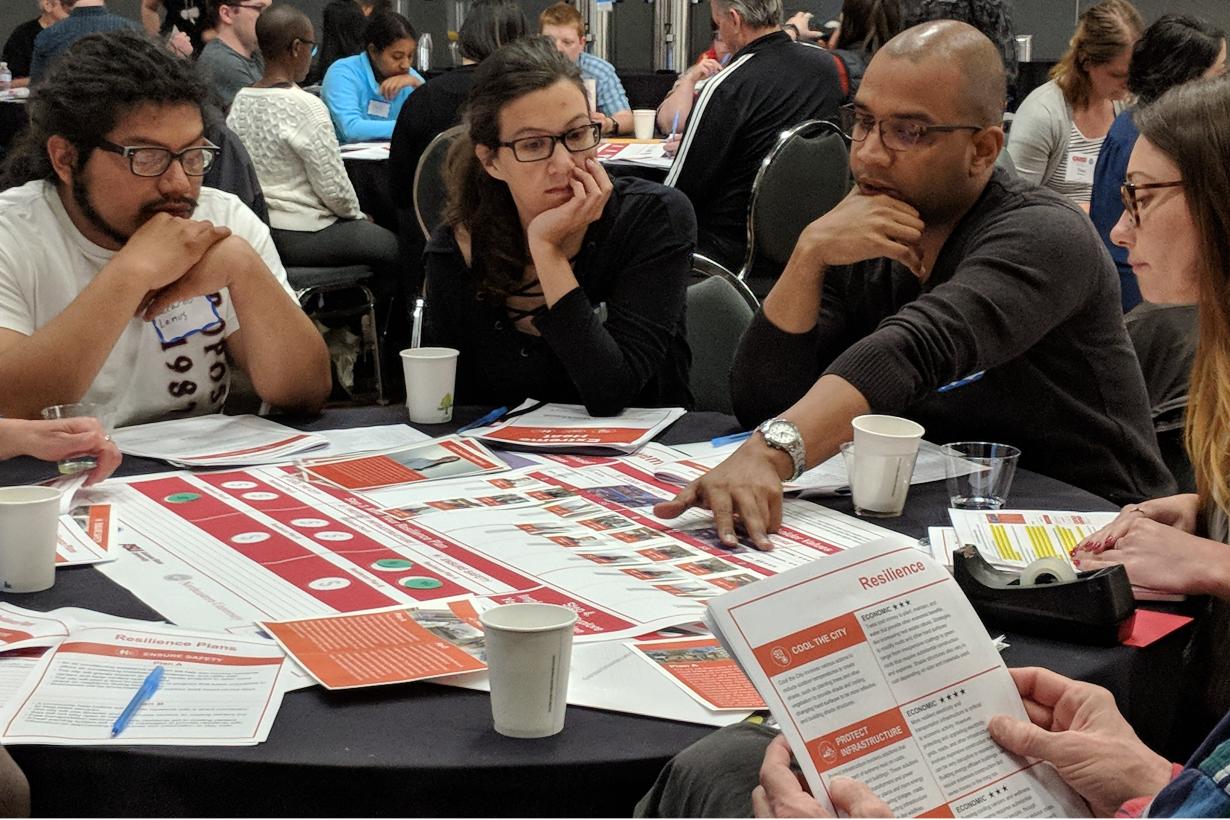
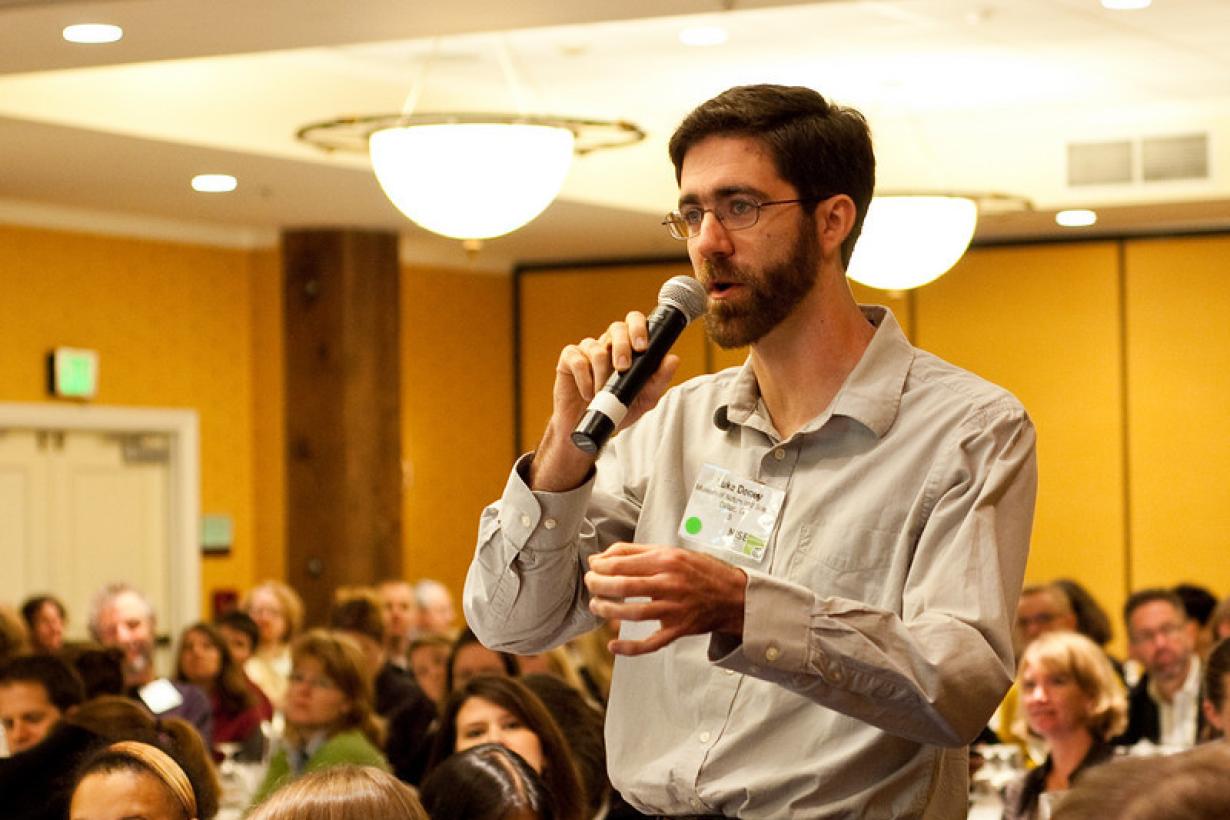
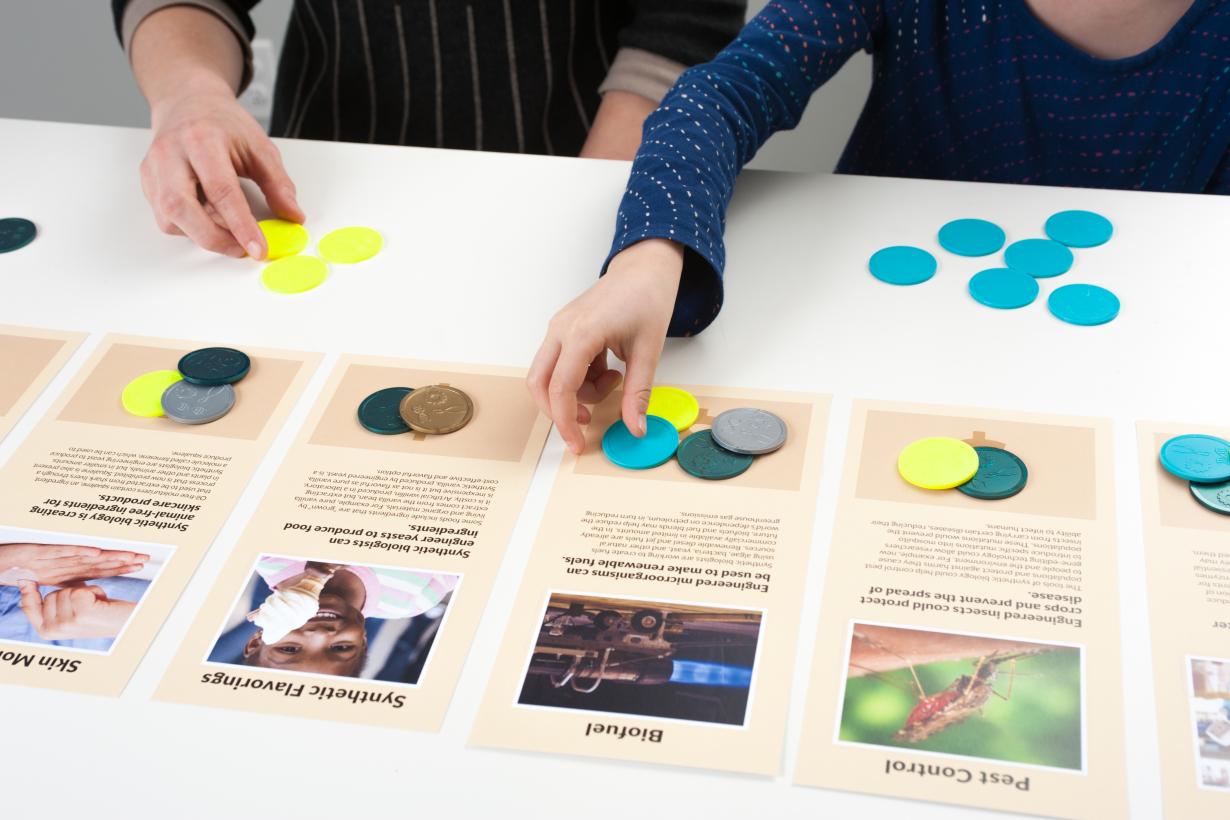
Forums encourage audience consideration of the societal and ethical implications of science and technology topics. Older youth and adults participate in one- to two-hour facilitated discussions that promote exploration and foster dialogue and deliberation. Forums can take place in a variety of settings, including science museums, libraries, community centers, and schools.
Emerging science and technology offer the promise of new discoveries that may dramatically improve our lives and bring great advances in applications as diverse as medicine, energy, and materials. At the same time, emerging science and technology may also have potential negative impacts that touch on a broad range of societal concerns—environmental pollution, toxicity, equity, and privacy violations. There is a middle ground between scientific boosterism and extreme rejection of these new technologies. Open deliberation can help steer the public conversation toward this more thoughtful, considered middle ground.
Around the world, science centers are exploring new models for engaging adults and older youth in dialog and deliberation about the societal implications of technology. This democratization of public policy deliberation is a strategy for stimulating learning by both scientists and the public and for revitalizing the role of science museums in the life of the nation. These efforts lay the groundwork for an exciting new role for science centers as a bridge between scientists and the public.
NISE Network partners have worked together to research, develop, and test a variety of program models aimed at engaging adults and older youth with in-depth informal educational experiences that incorporate dialog and deliberation around societal implications of nanoscale science, engineering, and technology. This team has developed a set of materials and expertise to share with the broader science museum community to build capacity in the field to engage the public in this kind of programming.
More Forums and Resources
More forums are available from the Museum of Science in Boston including topics such as self-driving cars, fisheries, and diseases:
https://www.mos.org/pes-forum-archive/
The Expert and Citizen Assessment of Science and Technology (ECAST) network focused on deliberations to inform citizens about and solicit their input on science and technology policy issues:
https://ecastnetwork.org
Science Cafés
A Science Café is an event that brings scientists and the public together in an informal setting like a restaurant, pub, or coffee shop. Science Cafés are happening all over the world and have many different formats. Some are lectures with audience-guided questions and answers, some have a moderated discussion between the scientist and the audience, and some focus more on round-table discussions.
Whether you are looking for a science café near you, are interested in organizing a science café, or are just plain curious, you’ll find everything you need to know about science cafés at sciencecafes.org
Teen Science Café Network
Teen Science Cafés are a fun way for teens to explore the big advances in science and technology affecting their lives. Teens and STEM experts engage in lively conversations and activities to explore a topic deeply. Learn how to get involved at teensciencecafe.org