
What is Nano?
A nanometer is a billionth of a meter. That’s really tiny! Nanometers are used to measure things that are too small to see, like atoms and molecules, the basic building blocks of our world.
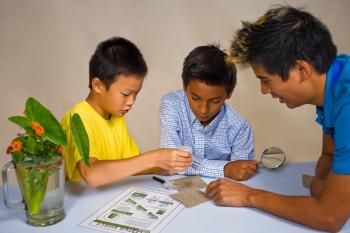
Nanoscale science focuses on things that are measured in nanometers. In the field of nanotechnology, scientists and engineers make new materials and tiny devices. Nanotechnology allows them to make things like smaller, faster computer chips and new medicines to treat diseases like cancer.
Nanotechnologies include new materials and tiny devices so small they’re sometimes built from individual atoms and molecules!
Nanotechnology takes advantage of special properties at the nanoscale to create new materials and devices.
Videos on Nanoscale Science and Nanotechnology Topics
See all Nanotechnology Educational Videos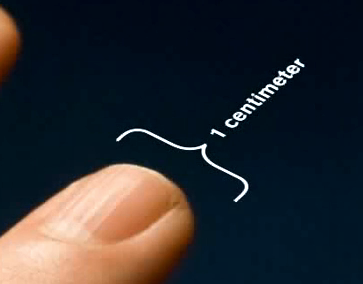
How Small is Nano? video
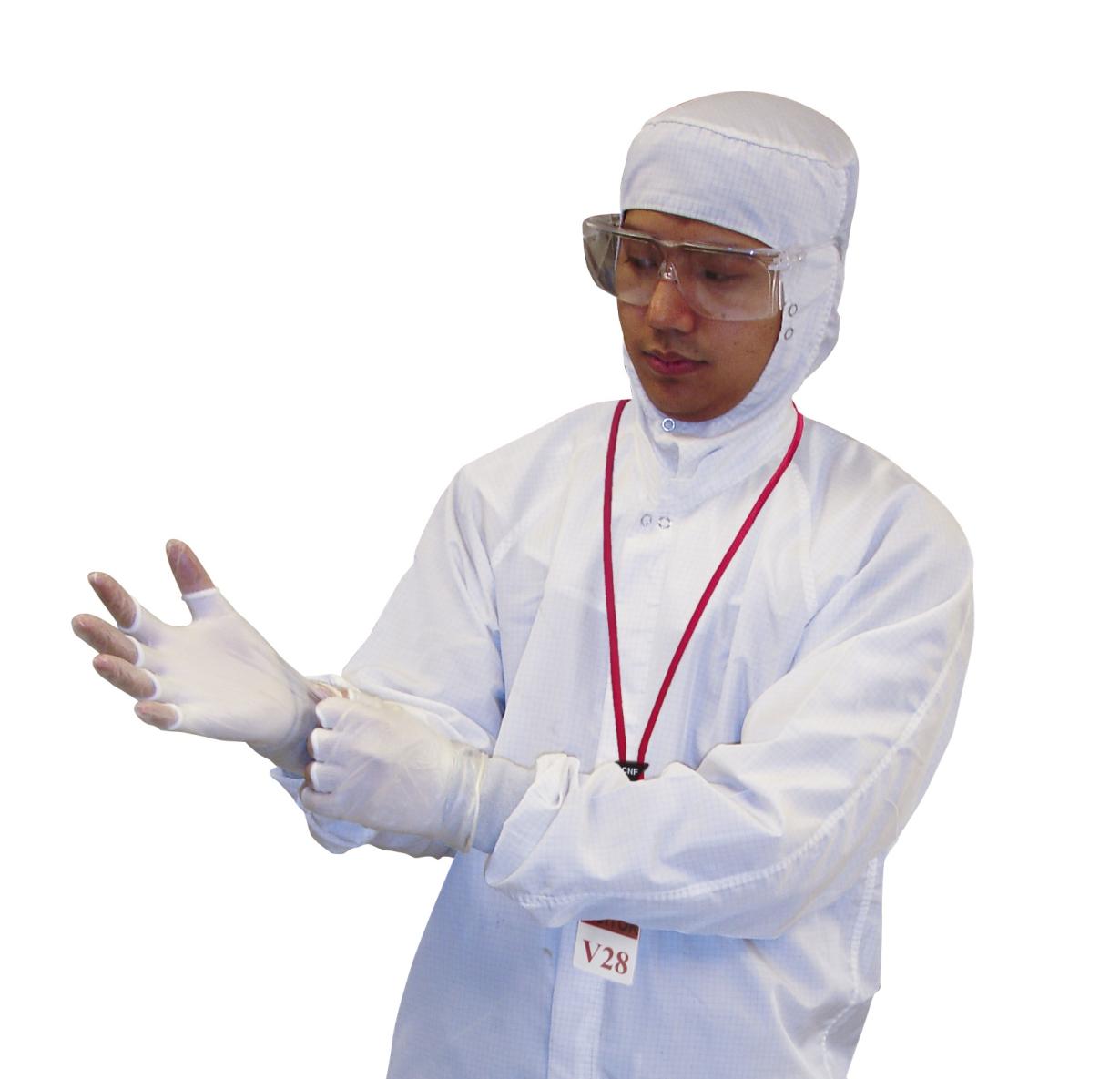
What Happens in a Nano Lab?
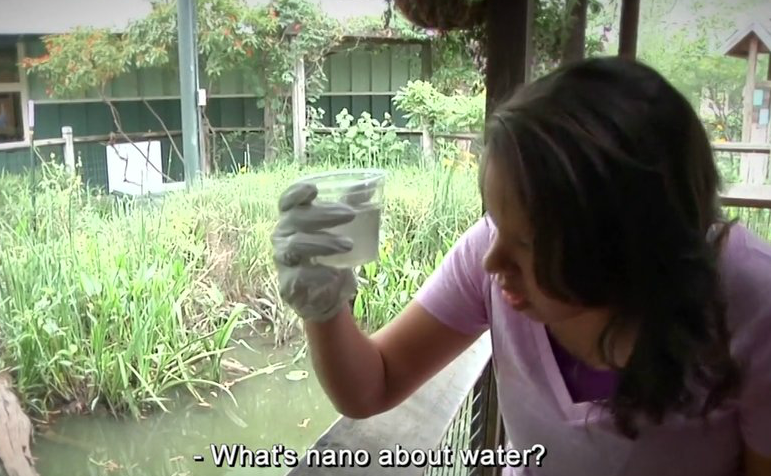
What’s Nano About Water?
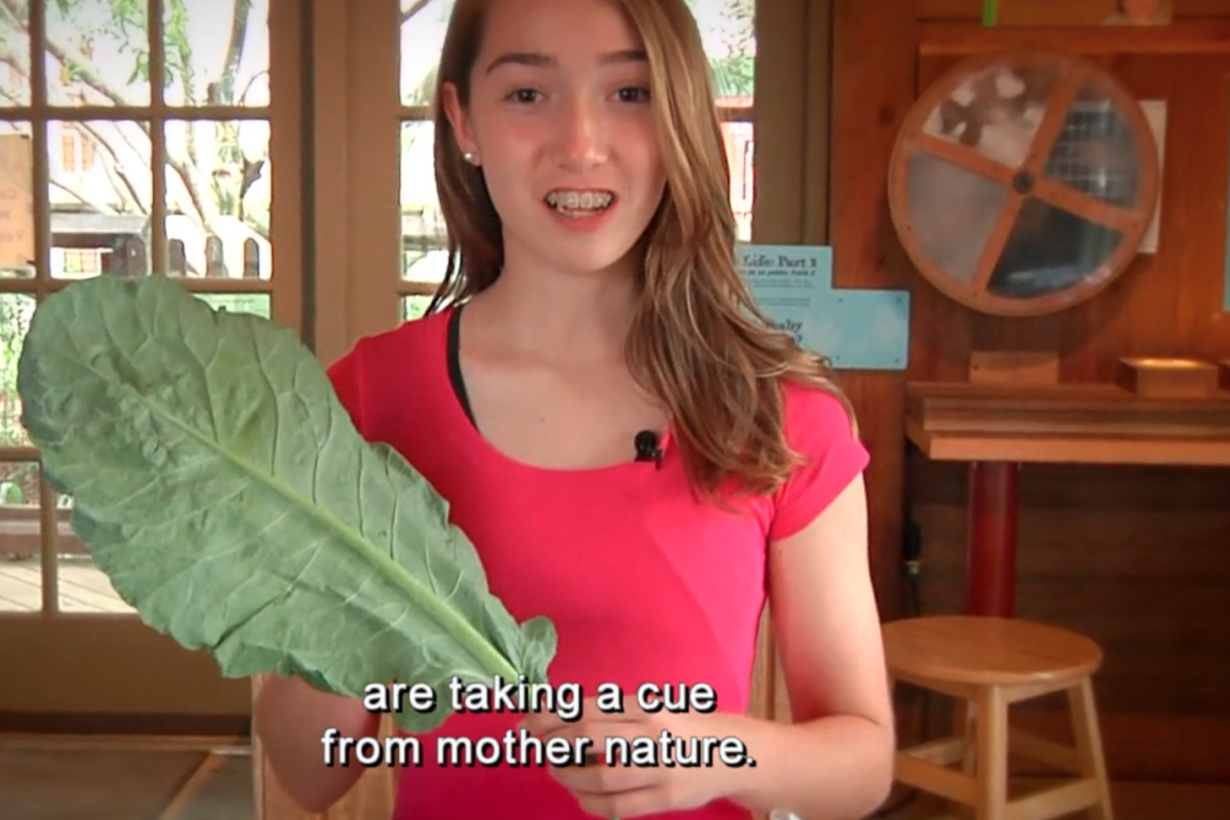
What’s Nano About Toilets?

What’s Nano About Chocolate?
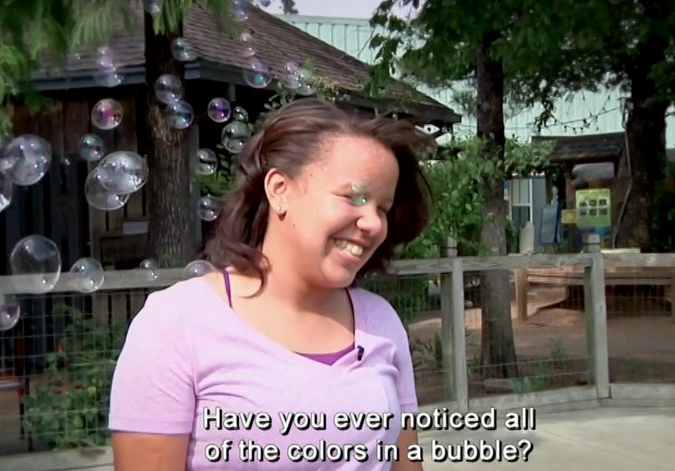
What’s Nano About Bubbles?

Invisibility Cloak video
Intro to Nanomedicine video
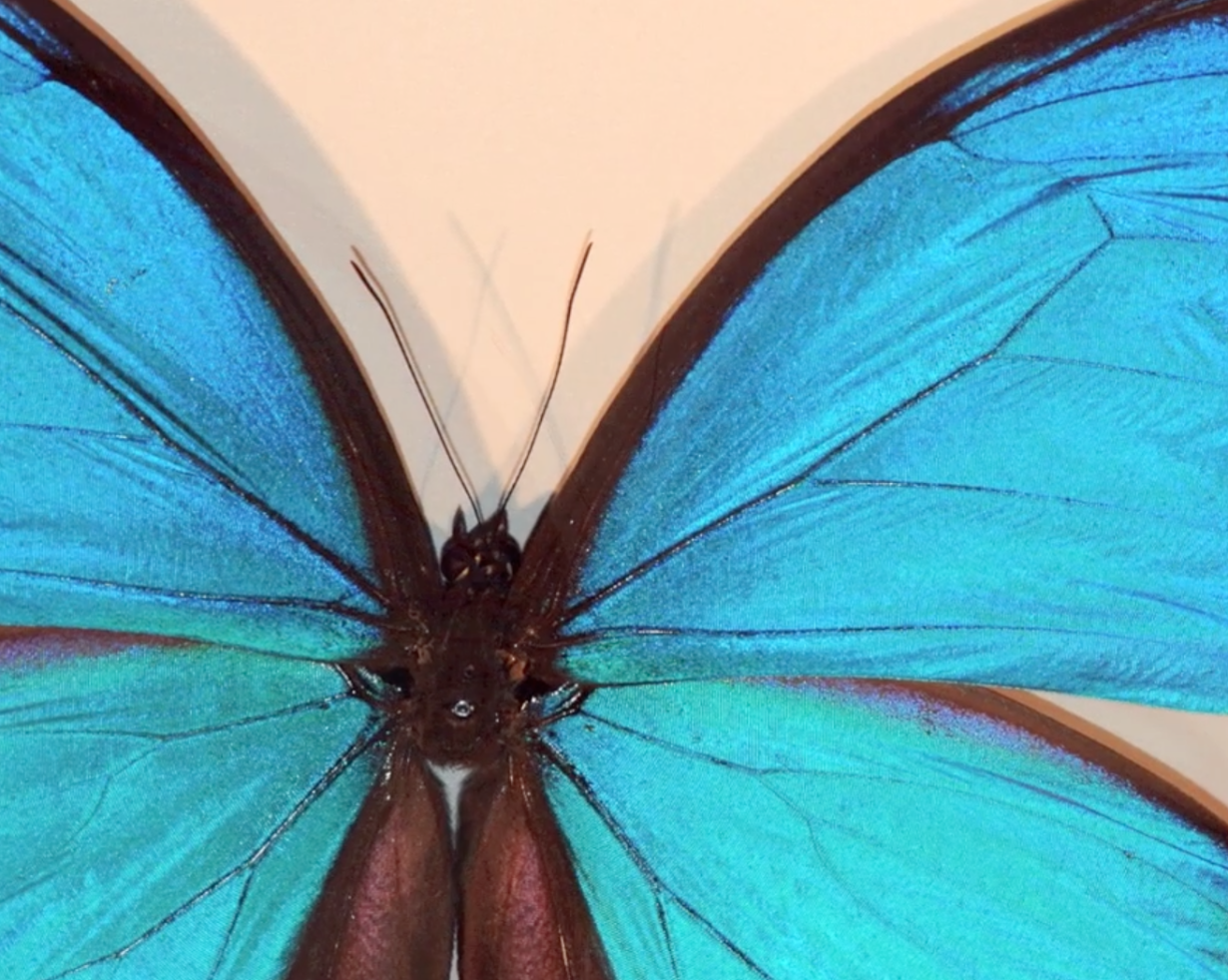
Zoom into a Blue Morpho Butterfly video
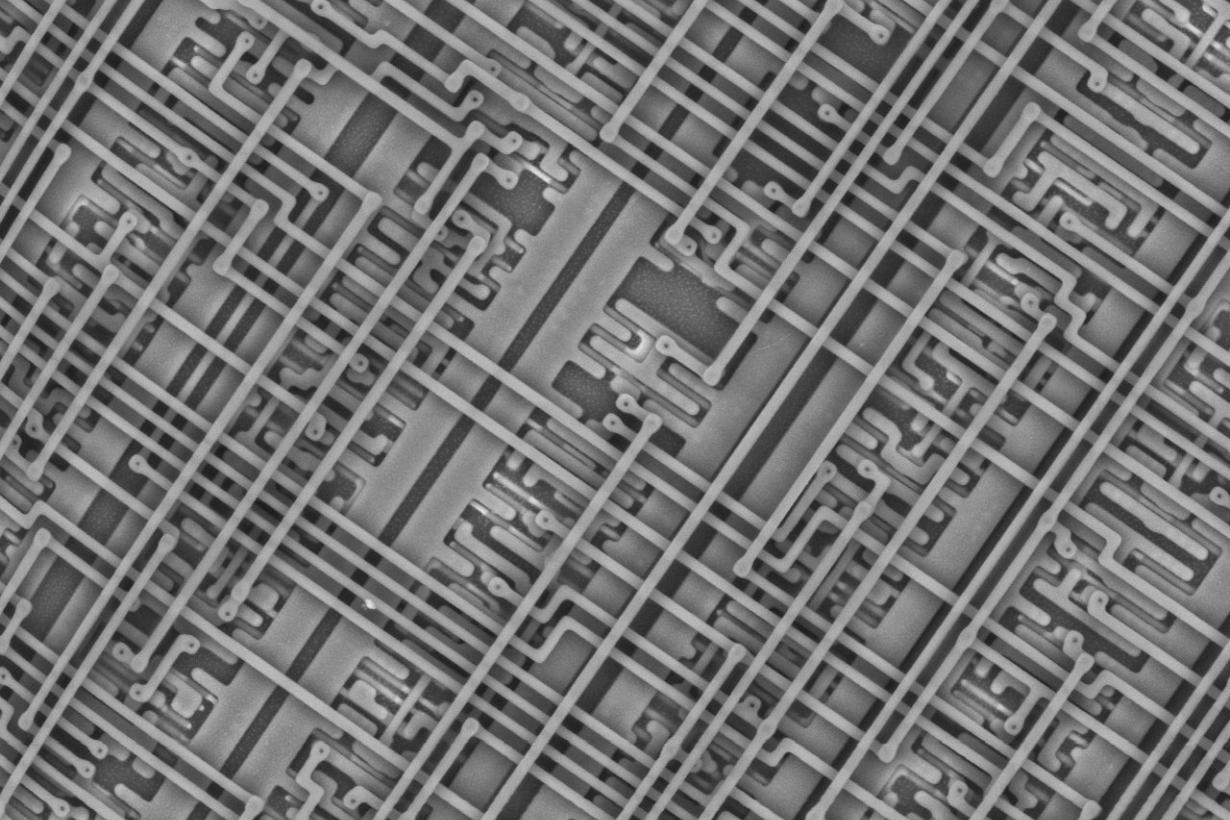
Zoom into a Microchip video
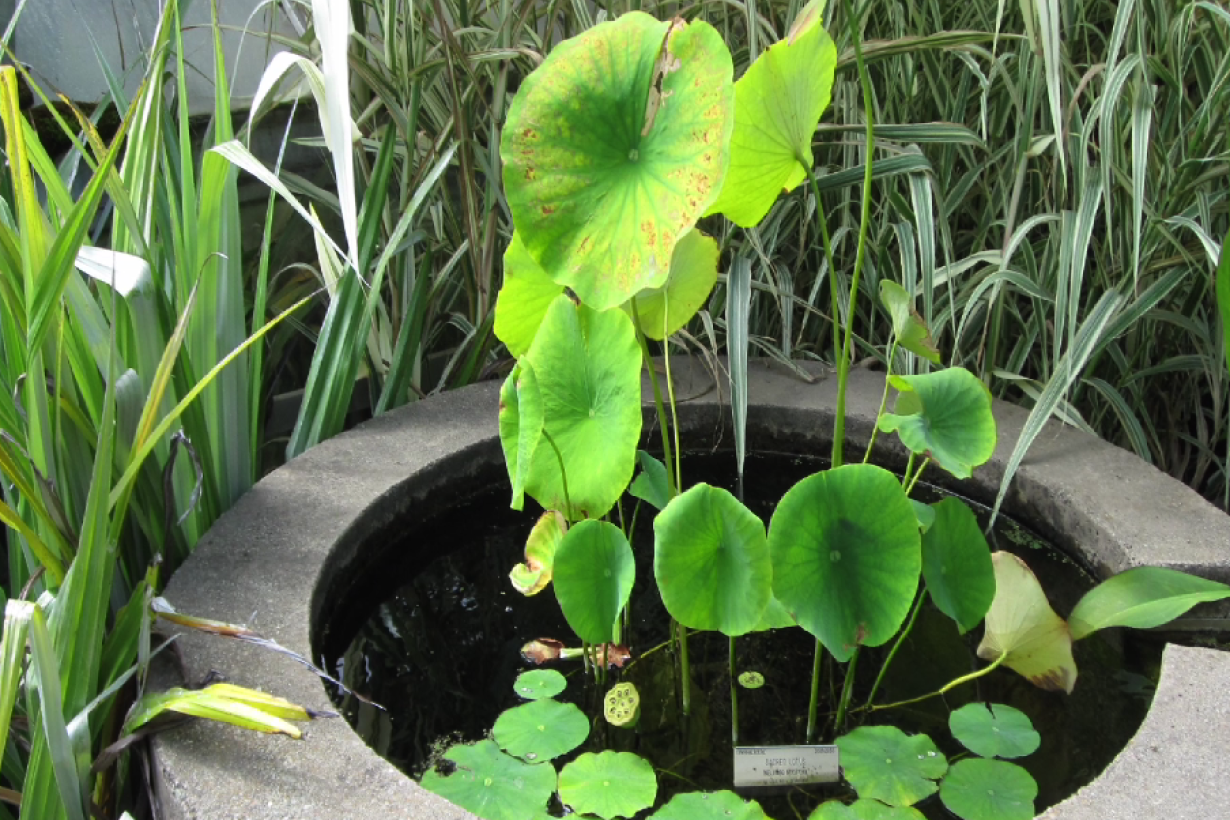
Zoom into a Lotus Leaf video
Nano and Me Videos
Videos on Nanotechnology and Society

Wonders and Worries of Nanotechnology

Wonders and Worries of Nanotechnology: Who Benefits
Wonders and Worries of Nanotechnology: Regulation

Wonders and Worries of Nanotechnology: Ask and Research
Same Sides and Let's Talk About It videos

Three Angry Scientists
Does Every Silver Lining Have a Cloud?
Changing Our Relationship With Science video
What is NanoDays?
NanoDays is a nationwide festival of educational programs about nanoscale science and engineering and its potential impact
on the future. NanoDays events are organized by participants in the Nanoscale Informal Science Education Network (NISE Network) and take place at more than 200 science and children's museums, research centers and universities across the country from Puerto Rice to Hawaii. NanoDays engages people of all ages in learning about this emerging field of science, which holds the promise of developing revolutionary materials and technologies.
While several communities conducted NanoDays events in prior years, the first nationwide week of events took place in 2008 with more than 100 institutions participating. This has grown to more than 200 events annually nationwide.
- List of institutions hosting an event in the United States in 2008-2015
- More about NanoDays (hands on activities, training materials, promotional materials)
Do-It-Yourself Nano Activities

DIY Nano: printable PDF version
DIY Nano Book

DIY Nano App - iPad version
Nano Children's Books
How Small Is Nano? Book and Poster
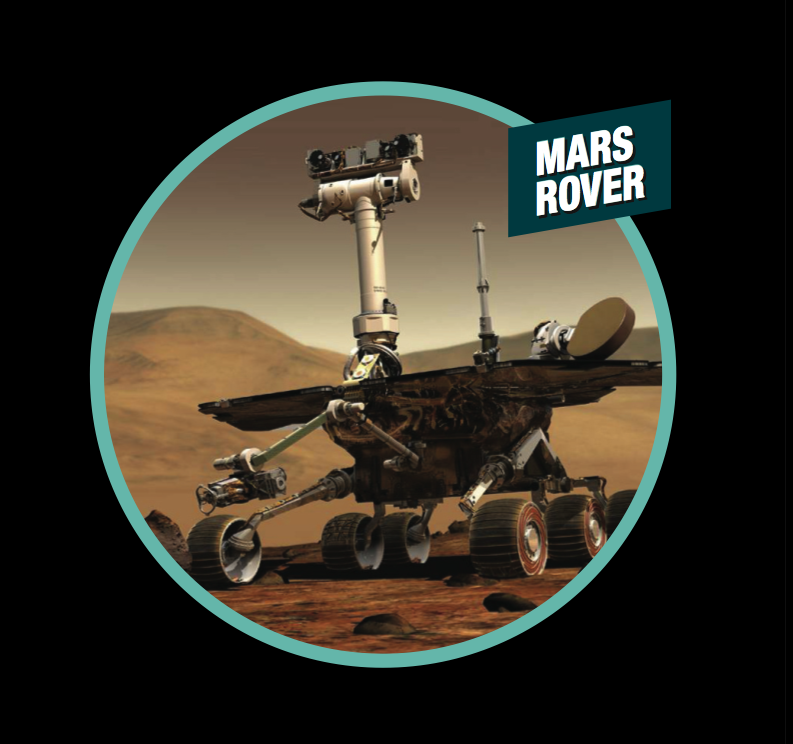
Is That Robot Real? children's book and poster
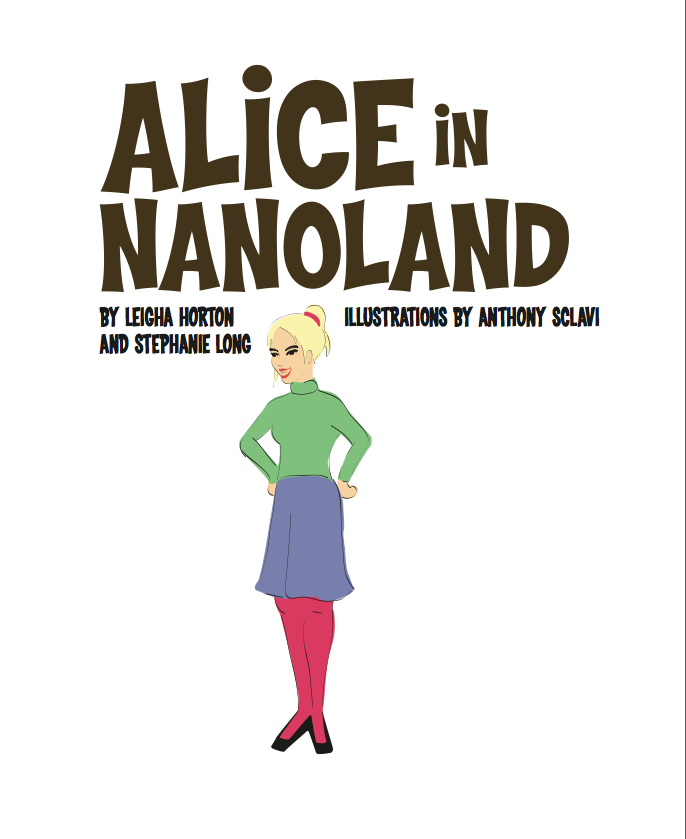
Alice In NanoLand
Nano Exhibition and Zoom into Nano Toolkit Information
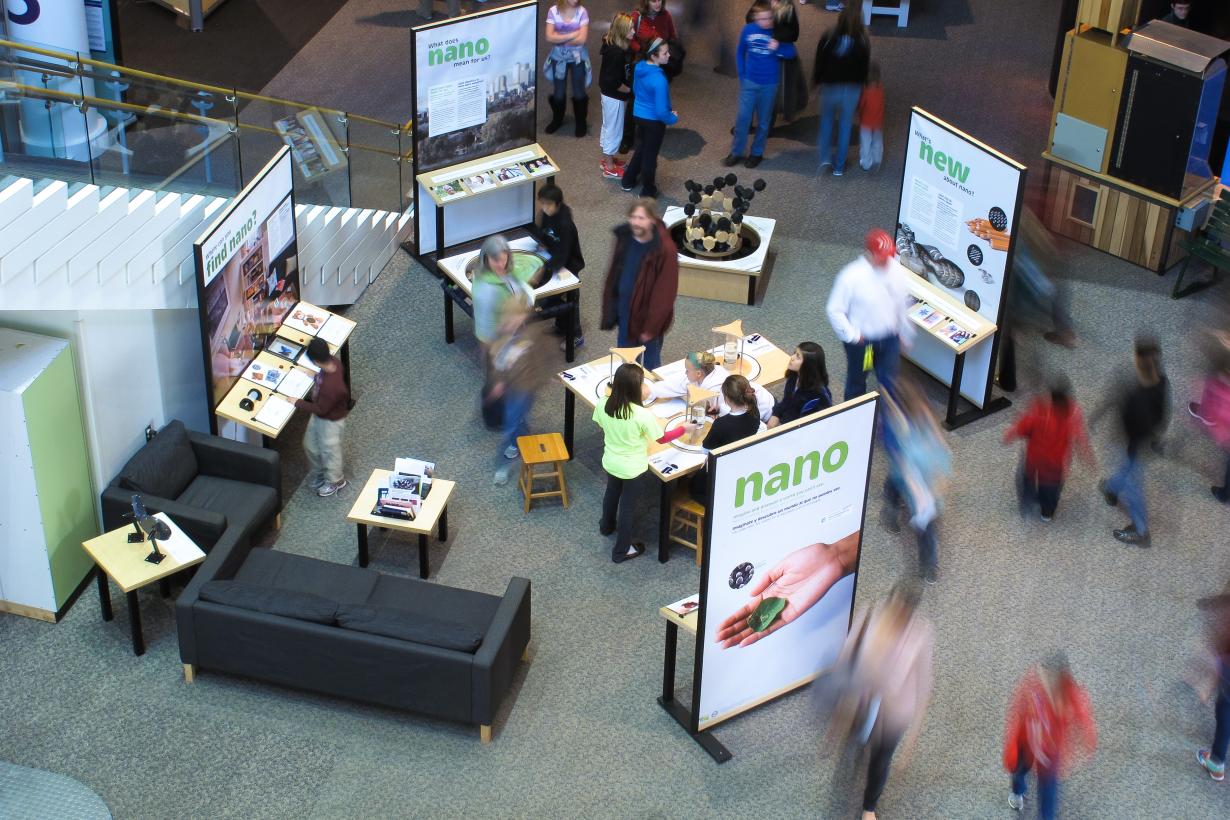
Nano Mini-Exhibition

What is Nano? - Audio Description
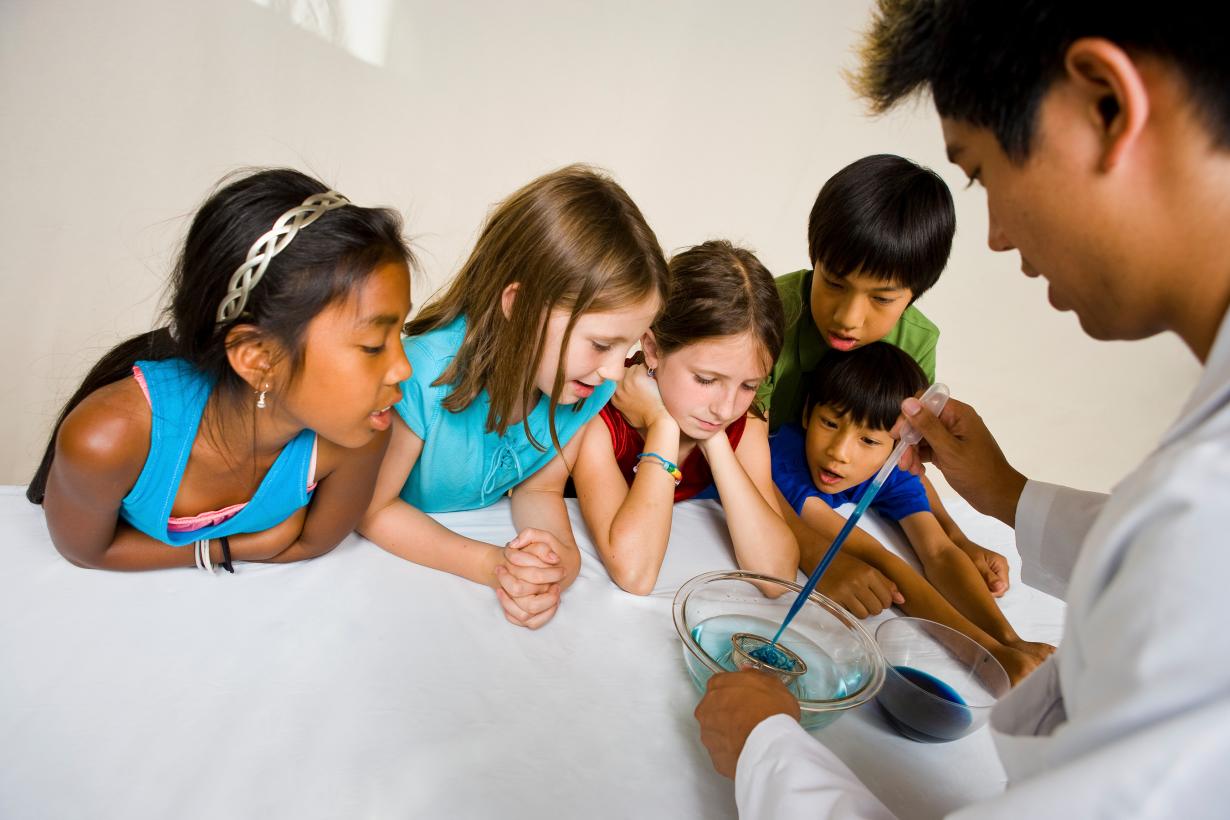
Explore Science: Zoom into Nano Kit