Smooth ice cream comes from really small, fine-grained crystals. So what happens if you cool ice cream so quickly that the crystals are nanosized? You get super-smooth nano ice cream!
Some science fiction stories, like Michael Crichton’s novel Prey, portray nanotechnology as leading to developments that can destroy the world, but some of the presenters at this year’s International Nanotechnology Conference for Communication and Collaboration (INC5) told a story that was quite the opposite. The world, or at least humanity, is already on a path toward destruction and nanotechnology may be the only hope to save it.
I recently discovered (courtesy of Andrew Maynard's recent nanotechnology primer blog post) the Project for Emerging Nanotechnologies' NanoMetro map.
Several times in the past (check the RISE Group Page), I’ve written about the problem of last-minute-itis among NSF grant proposal writers. Symptoms of this illness are well-known to grant administrators at universities as well as at science museums, and, let’s face it, we’ve all succumbed to its indignities at one time or another. FastLane has to become a very WideLane on the deadline day for grant submission.
Robin Marks from the Exploratorium forwarded me an announcement for another post-doctoral position opening up with the Center for Nanotechnology in Society, this time at Arizona State University. They're looking for a coordinator for private sector outreach.
While nano may be about things on a very tiny scale – around 10-9 meters, there is nothing small about the government’s investment in nanoscale research -- it’s now around 10+9 dollars.
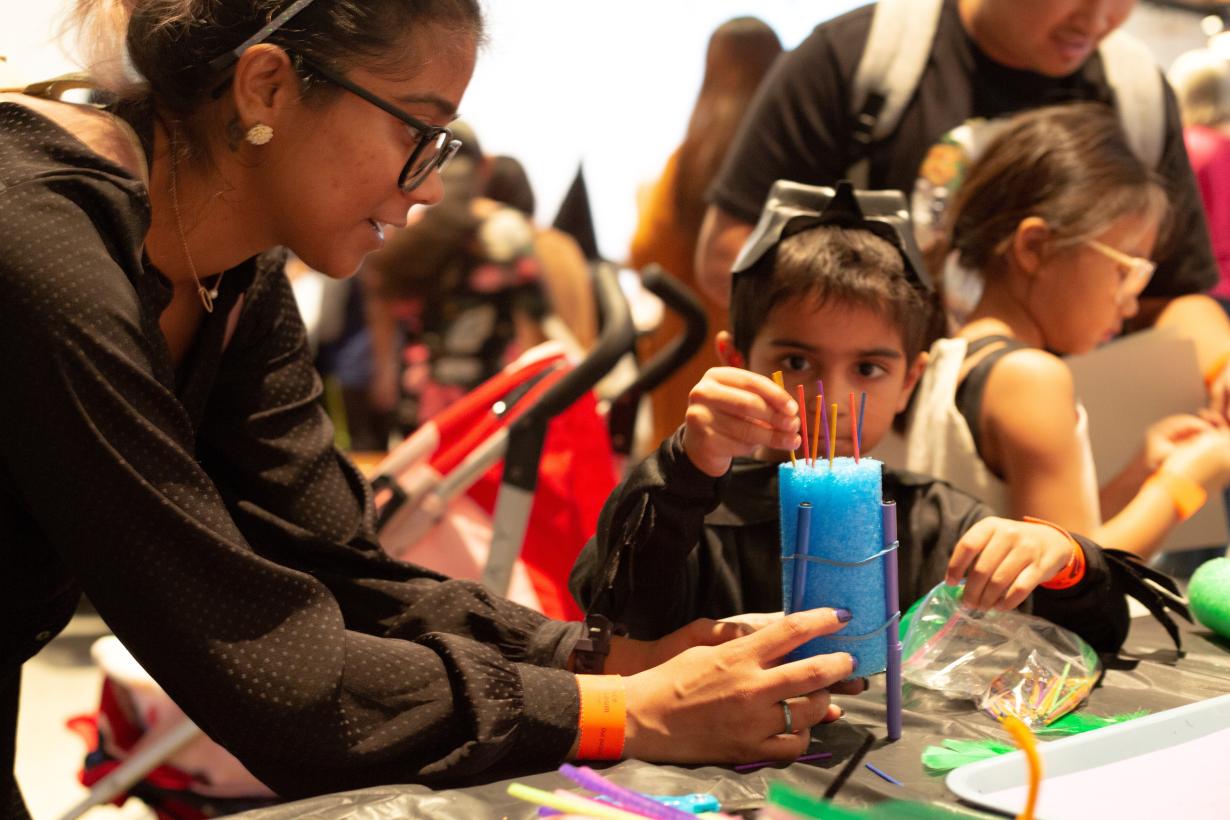
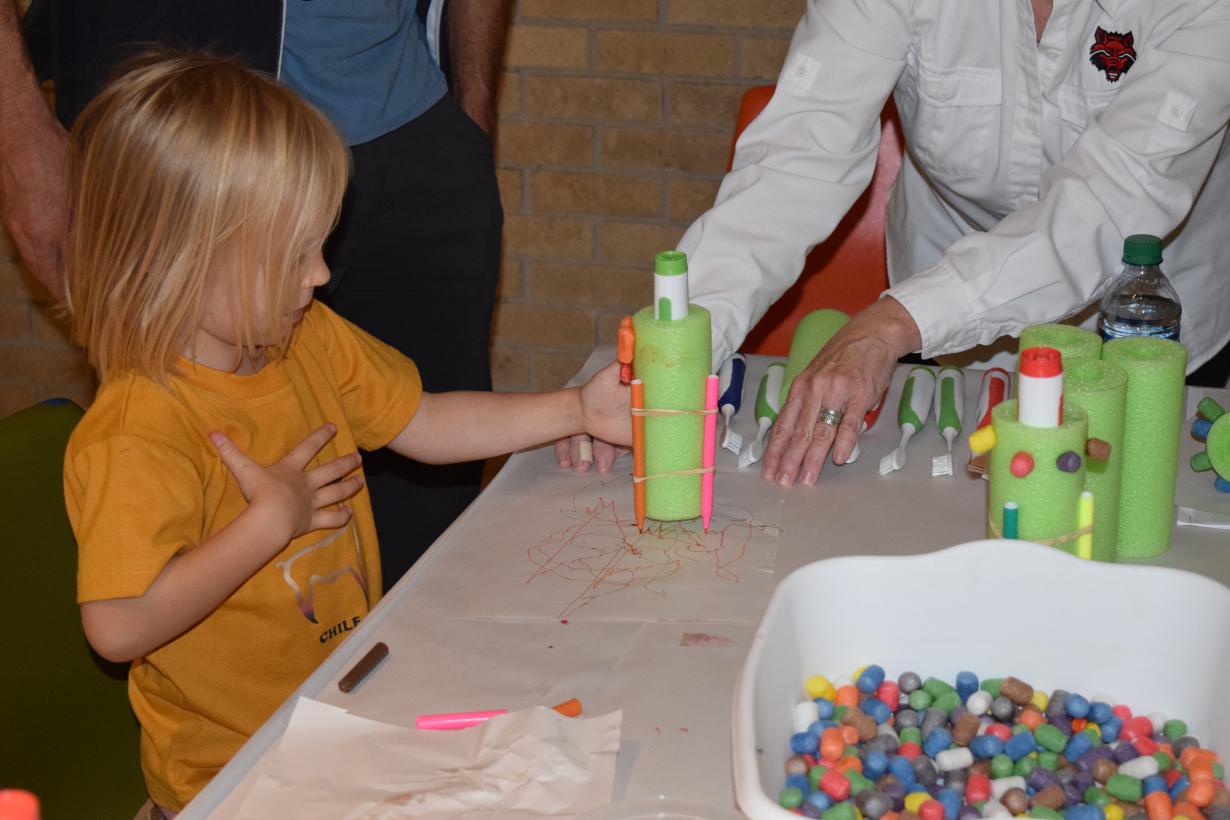
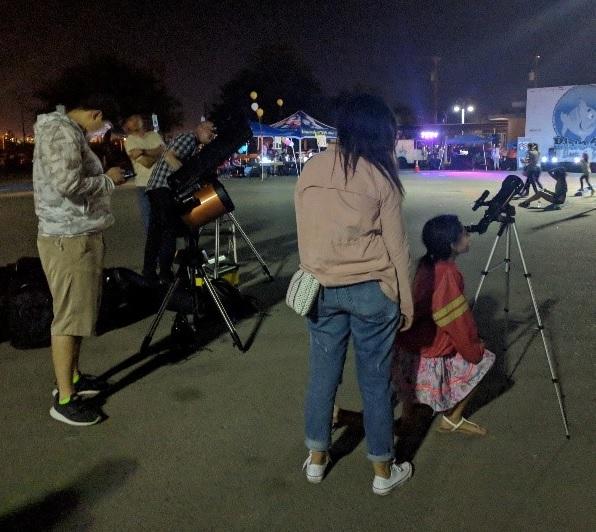
NanoDays at Da Vinci Science Center (See more pictures on Facebook)
A short time ago, I heard from a veteran program officer in one of the NSF science research directorates that she was skeptical about the strategy of apportioning funds from these directorates to fund the NISE Net. Why not give the funds directly to the individual nano research centers to bolster their own education and outreach (E&O) programs? Why set up a whole new Informal Science Education (ISE) infrastructure to do it?
Budgets have been rolling out all over DC in the past two weeks, and yesterday we finally got a glimpse of what might be in store for nanotechnology funding – more specifically, funding for education related to nano.
Tabletop Activities and Cart Demos for NanoDays 2009: (Click for full-sized version)
NanoDays