Would you sell one of your memories?
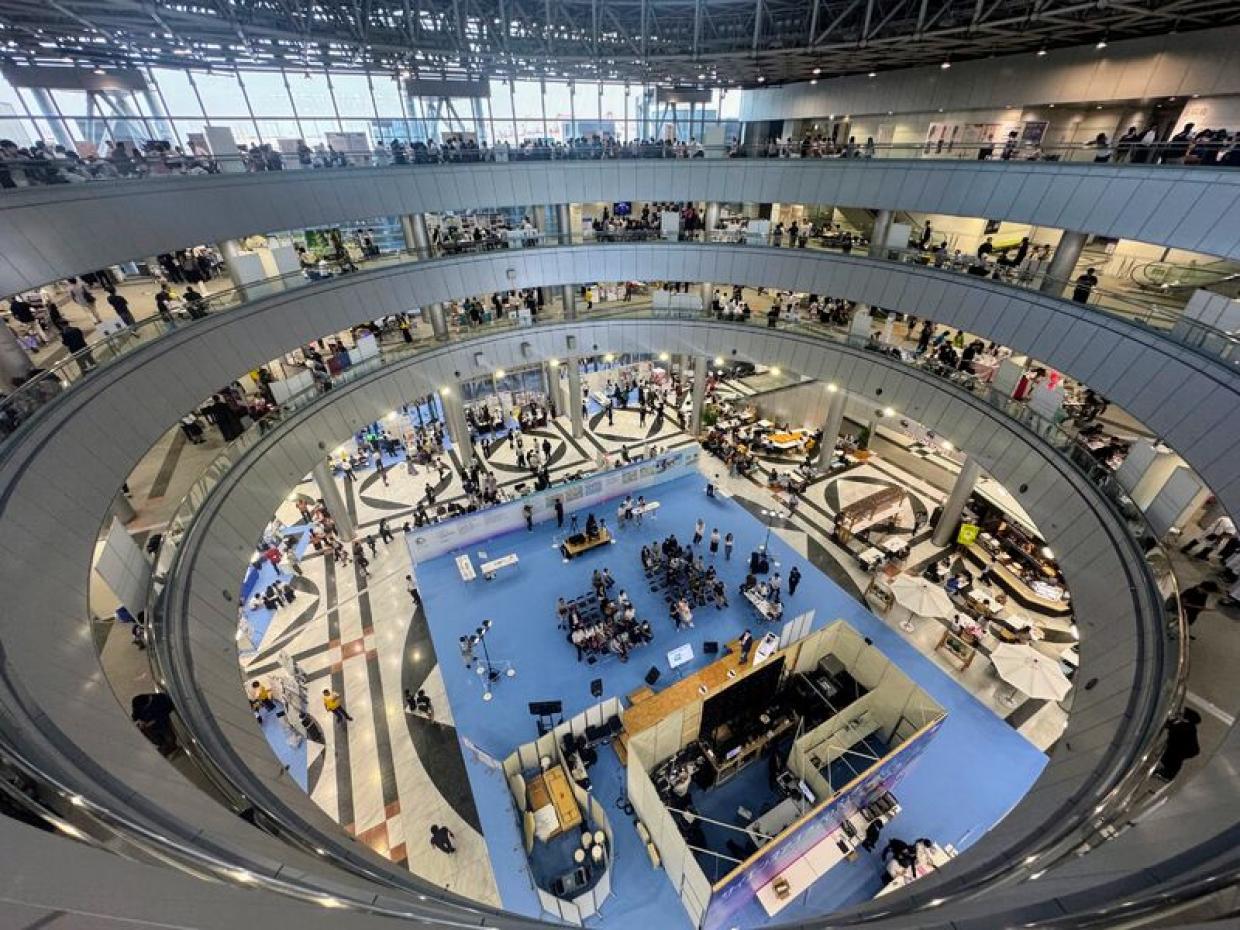
At Science Agora 2026 / サイエンスアゴラ2026, we used questions like this to help people connect possible neurotechnology futures to their own lives and talk about what those futures could mean. I represented the Institute of Neuroethics (IoNx) in Tokyo, working alongside the Internet of Brains (IoB) Science Communications team to engage with visitors at this massive public event organized by the Japan Science and Technology Agency (JST). Science Agora is one of Japan’s largest science engagement events, bringing researchers, communicators, students, and families together around questions of science and society.
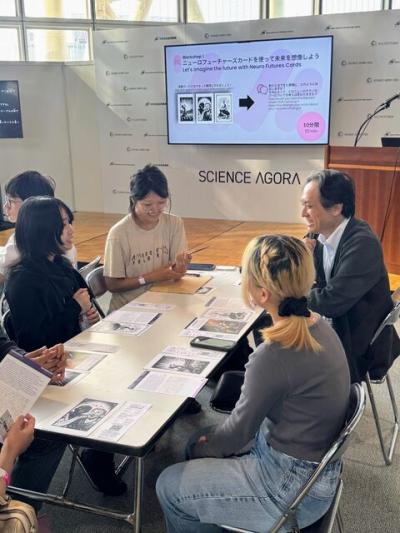
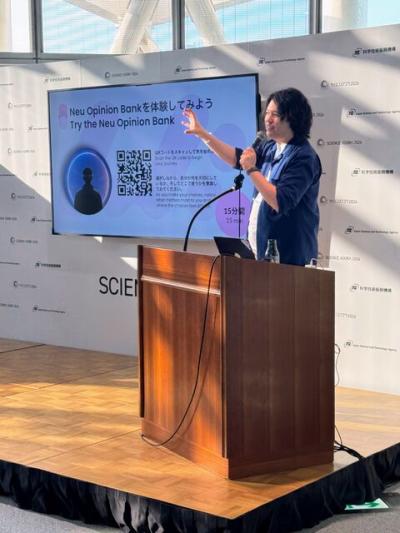
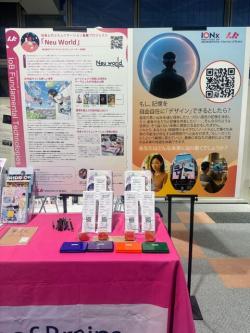
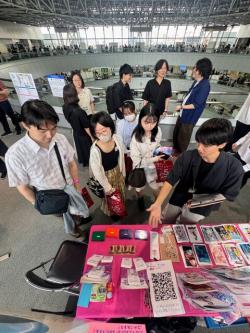
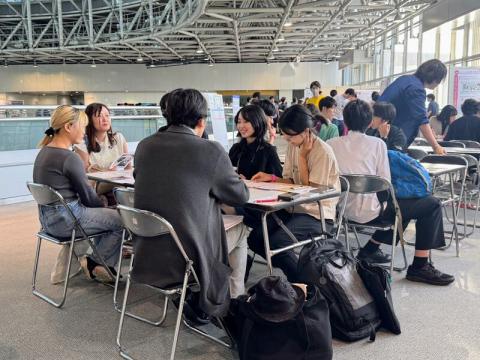
For this year’s event, IoNx and IoB co-created a suite of futures-thinking materials used at the busy Moonshot Goal 1 Kanai Project booth and in a public workshop. Visitors explored our new Memory Receipts, imaginary artifacts from a future in which memories could be bought or sold. Through the Neu Opinion Bank, they added their responses to a growing body of public input on potential future neurotechnologies and saw how their views compared with those of other participants. In the workshop, participants also used a new set of Neuro Futures Cards to discuss possible applications of brain technologies at work and in their personal lives while considering their societal implications.
Our continued collaboration with IoB made it possible to develop these materials across contexts and learn from how people in Japan engaged with them.
Resources
- Brain and Neuroscience public engagement resources
https://www.nisenet.org/neuro
- NeuroFutures card game
nisenet.org/catalog/neuro-futures-card-game