
Professional Learning for Educators

Facilitation and Science Communication Skills
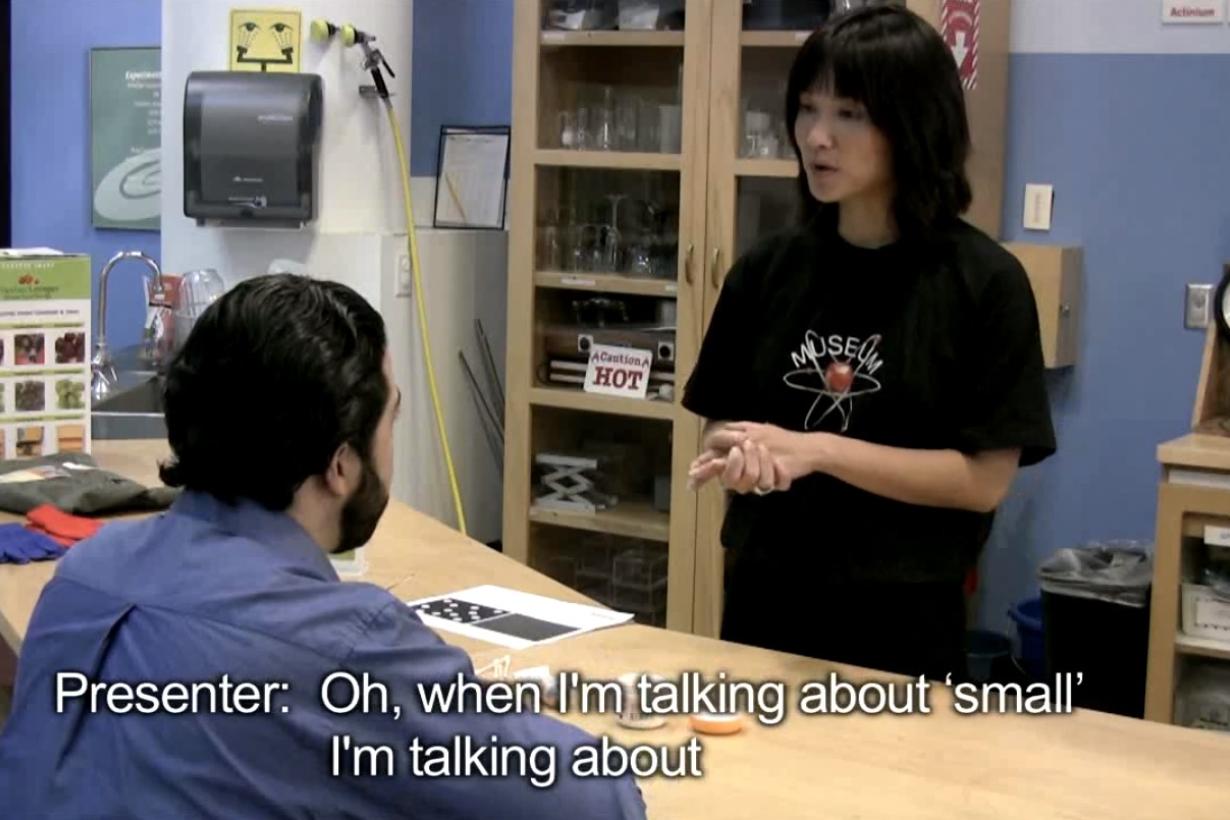
Museum Presentation: How TO and How NOT TO Interact with Visitors Video Guide
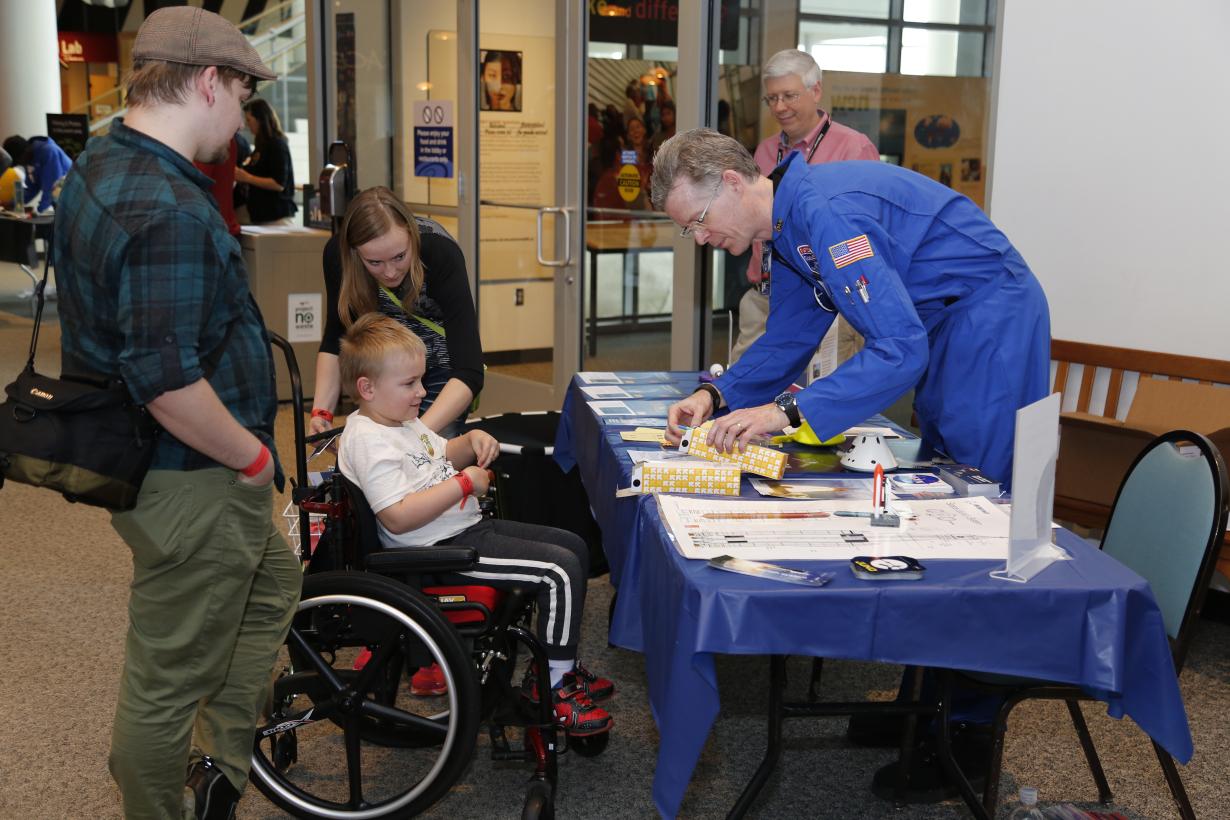
Tips Sheets for Engaging Public Audiences
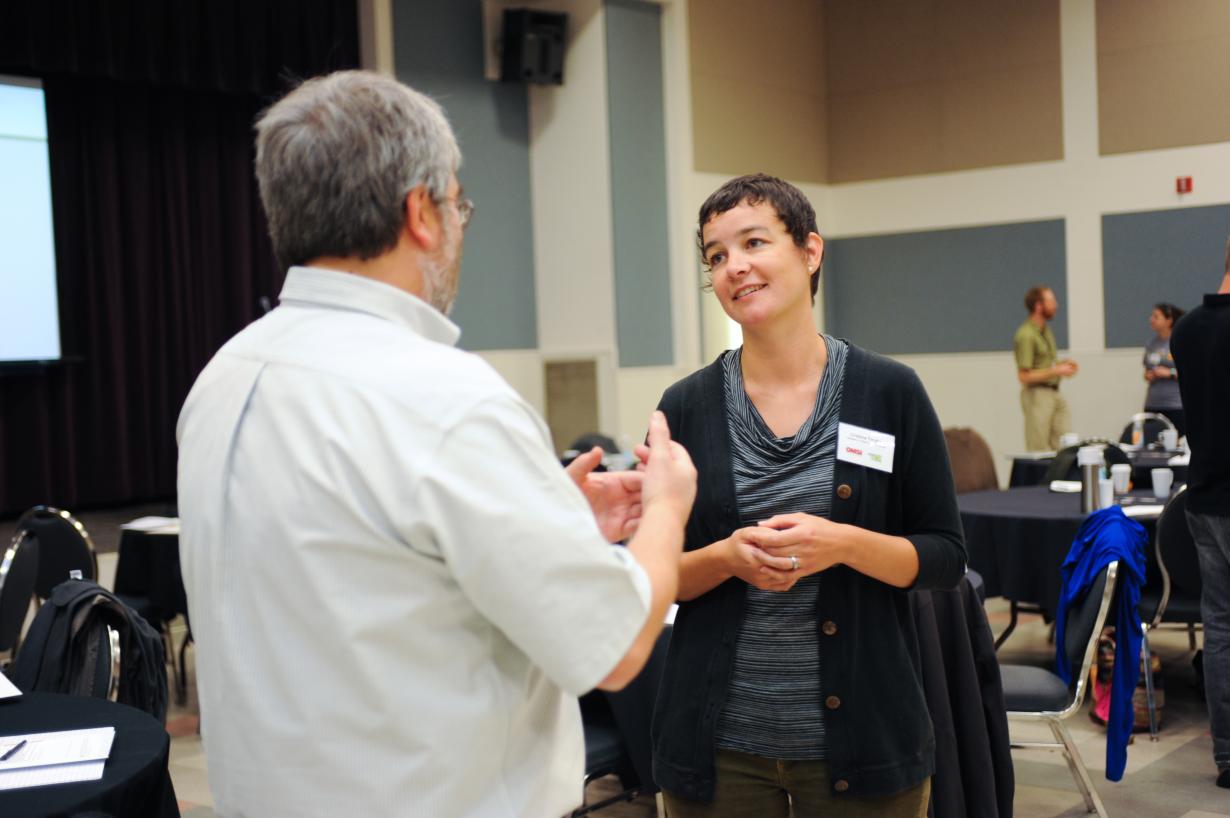
Speed-ucate Video or How to have an Effective Science and Society Conversation
Edu-Cathalon: A facilitation strategies and best practices training video for engaging museum visitors in STEM related content
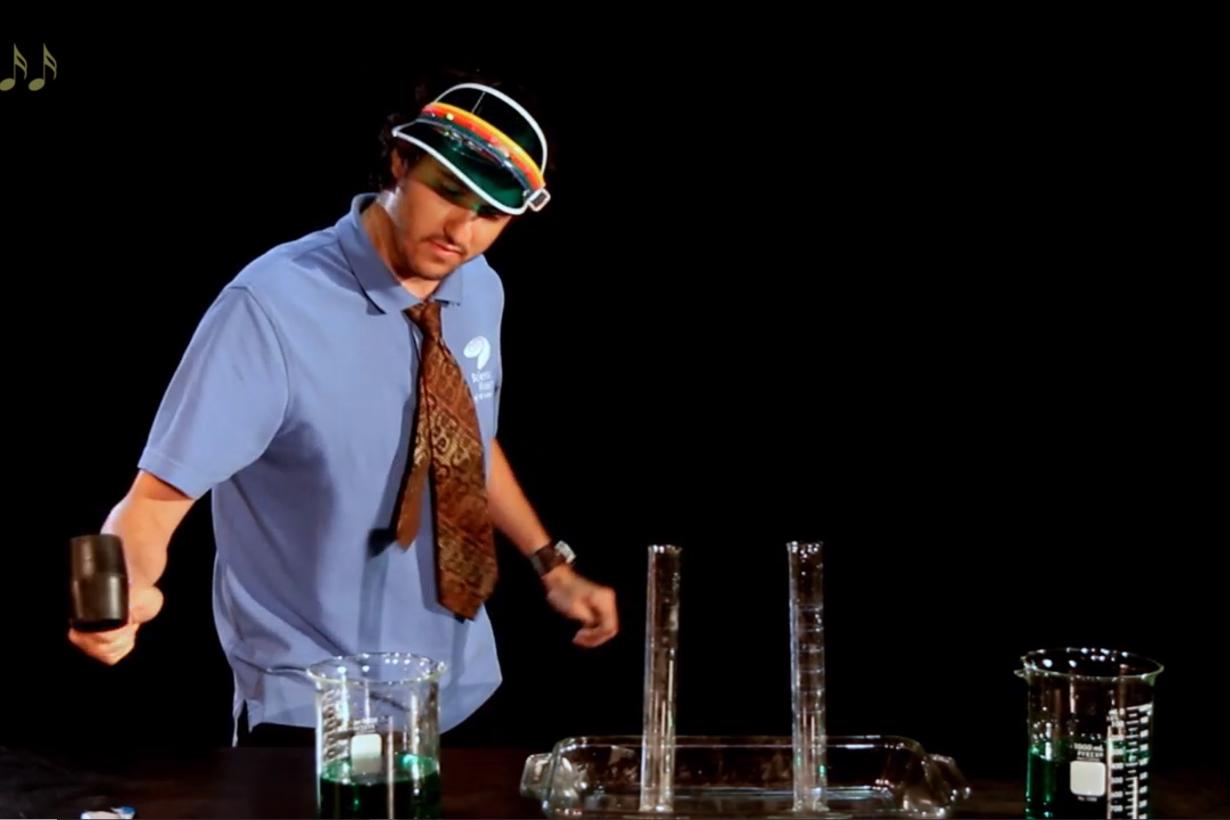
America's Next Top Presenter
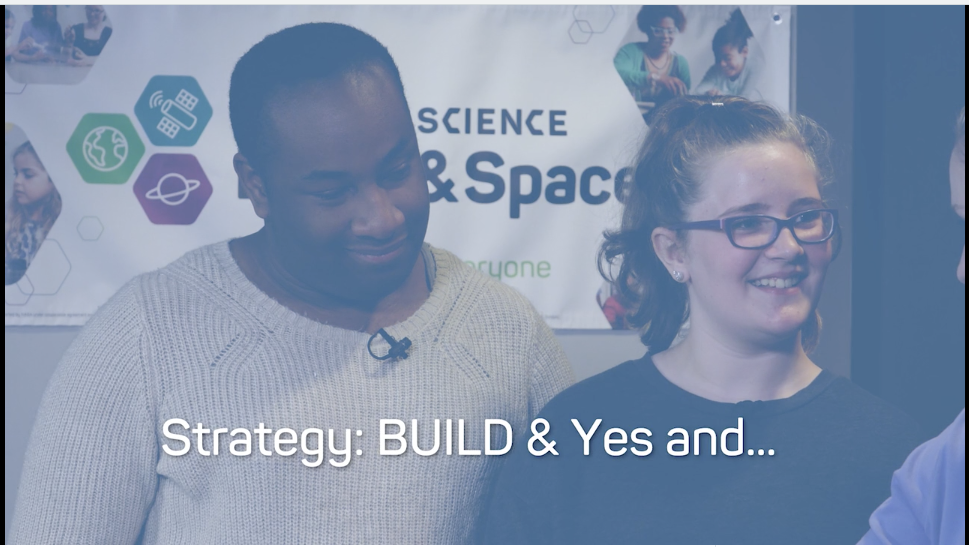
Explore Science: Earth & Space Strategies for addressing common misconceptions videos
Chem-Attitudes with Dr. Braxton Hazelby facilitation training video
Tip Sheets and Short Guides
- Tips for Leading Hands-On Activities
- Tips for leading hands-on activities and Using positive responses with difficult concepts
- Tips Sheet for Planning Guest Presentations
- Tips Sheet for Guest Speakers
- Tips Sheet for Interacting with Young Learners
- Tips Sheet for Accessibility, Inclusion, and Engagement in Museums and Planetariums
- Tips Sheet for Engaging Girls at NanoDays
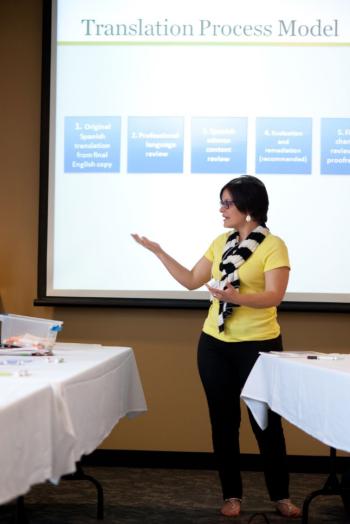
- Tips Sheet for Engaging Bilingual Audiences
Ice Breaker Activities and Improv Exercises
- What is Learning Conversation Starter activity cards to spark conversations about what learning looks like. These images provide an opportunity for a group to reflect on and share what they feel best represents learning. This activity can help professionals recognize that learning takes many forms and occurs in different settings across a person’s lifetime.
- What Values Do You Share? Conversation Starter cards to spark conversations about shared values.This activity is designed to help people working together consider how their efforts align with their values and share what values are important for them, their organizations, and their community
- Sustainability Connectagons collaborative construction challenge to help professionals build relationships across their institution or with other community organizations.
- Changing Brains Stand Up Sit Down Icebreaker where participants vote with their feet and seats by standing up, or sitting down, to show their agreement with potential scenarios.
Improv Exercises can be used by professionals as icebreakers, getting-to-know-you activities, and as tools to empower educators to facilitate positive, learning conversations with visitors.
Featured Resources for Program Design, Delivery and Implementation
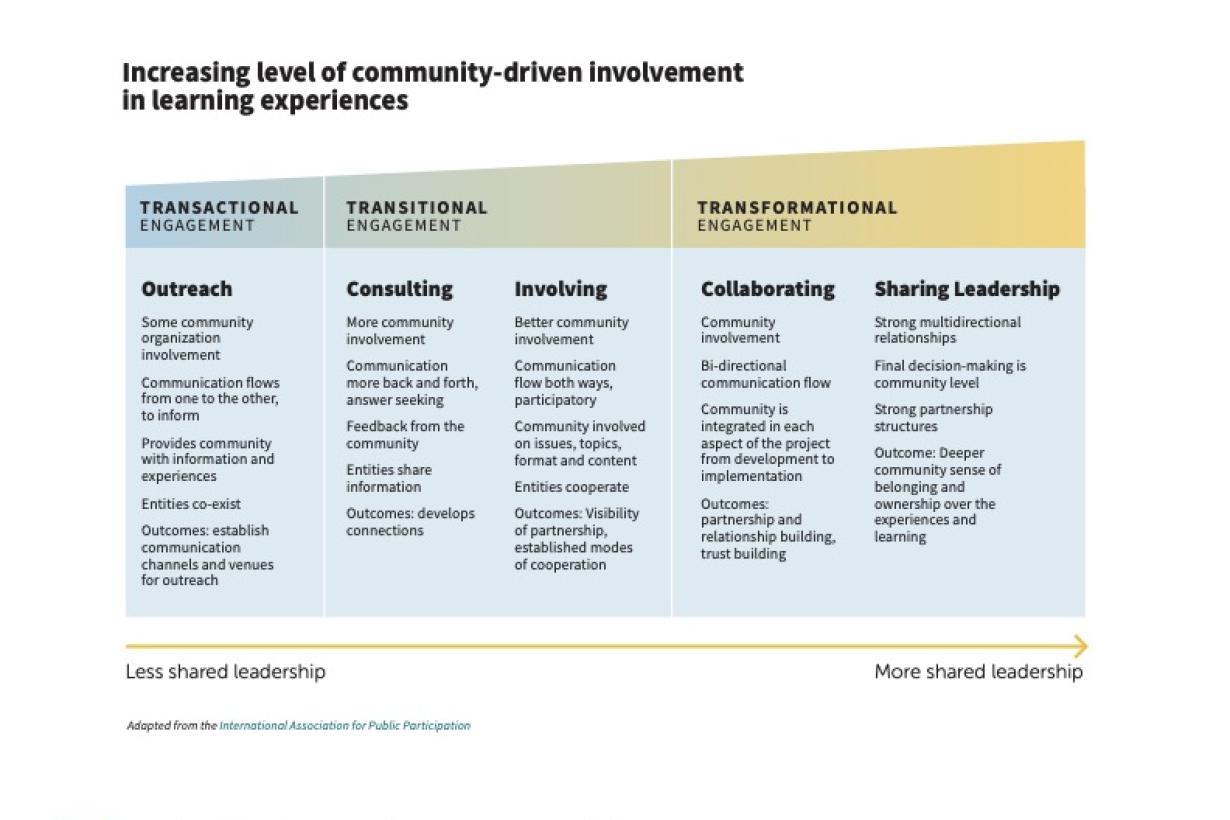
Broadening Participation Booklet
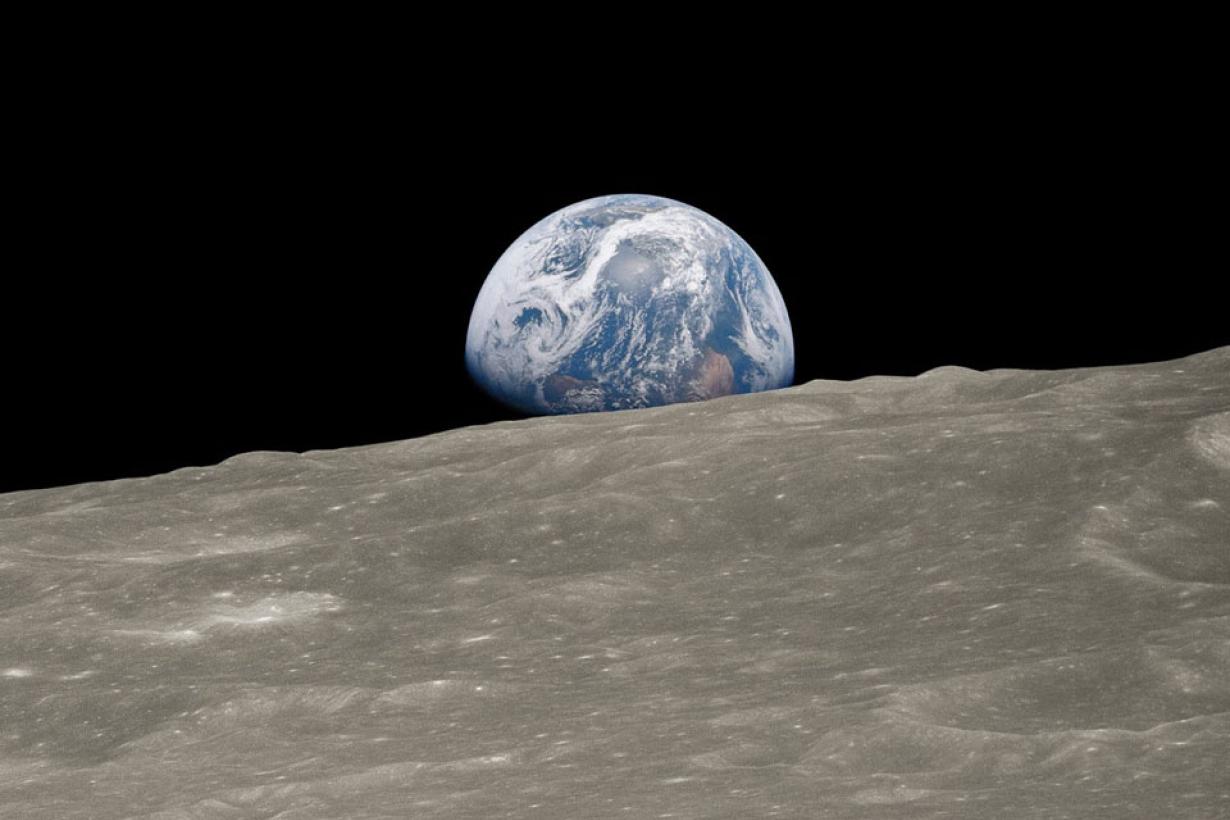
Making Earth & Space Science More Relevant and Inclusive
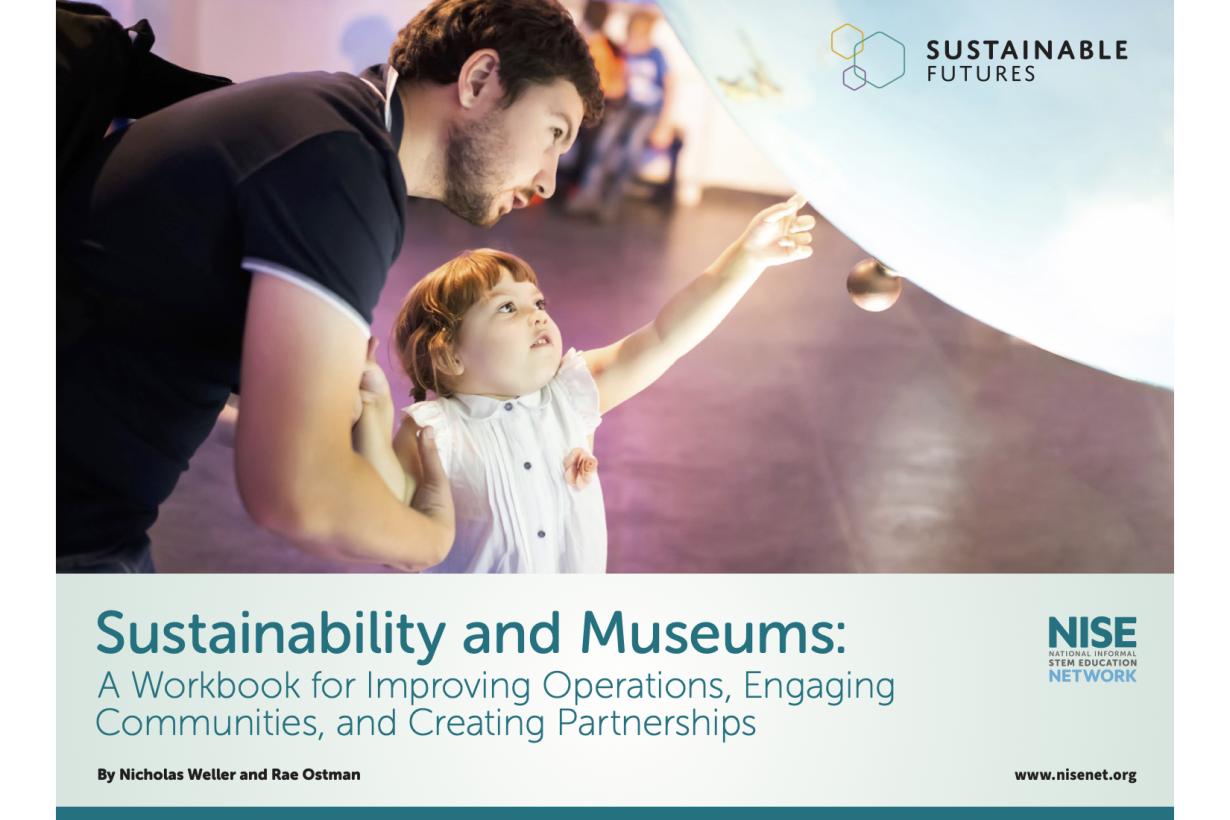
Professional Resources for Sustainability
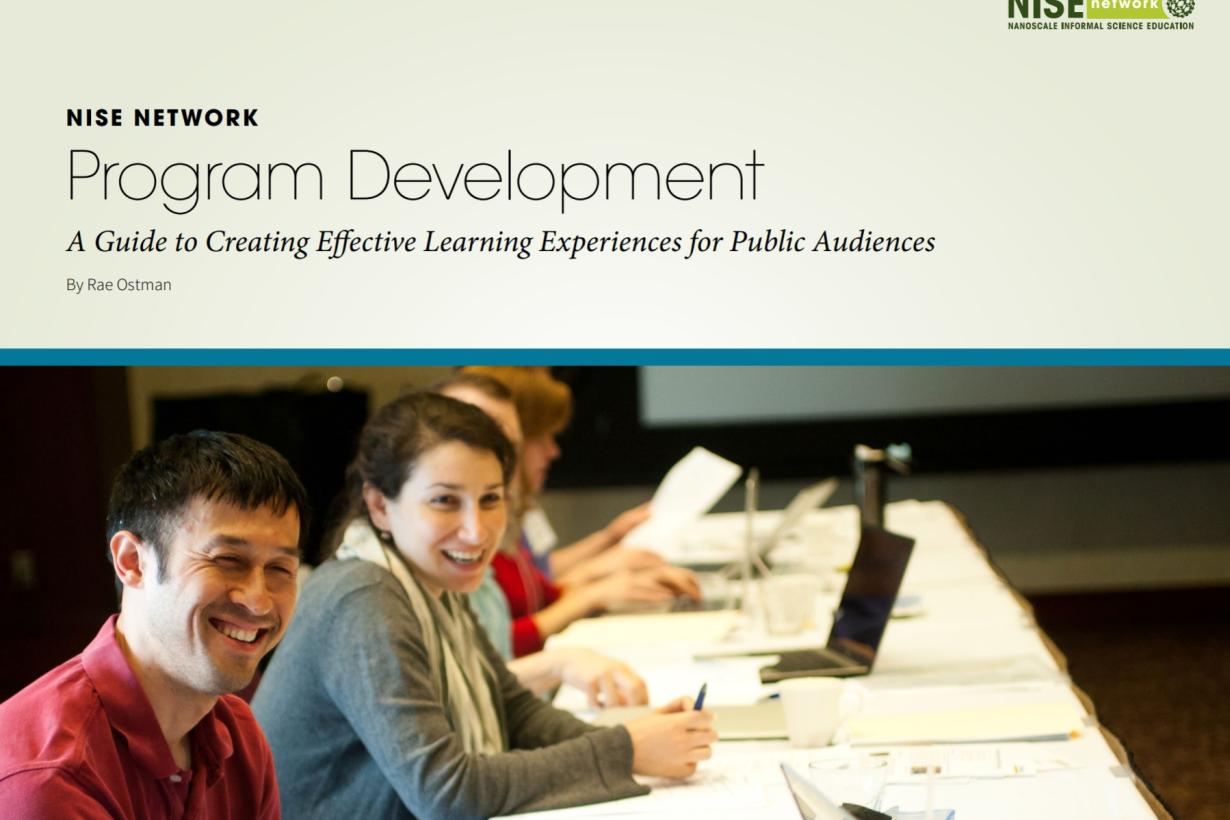
Program Development: A NISE Network Guide to Creating Effective Learning Experiences for Public Audiences
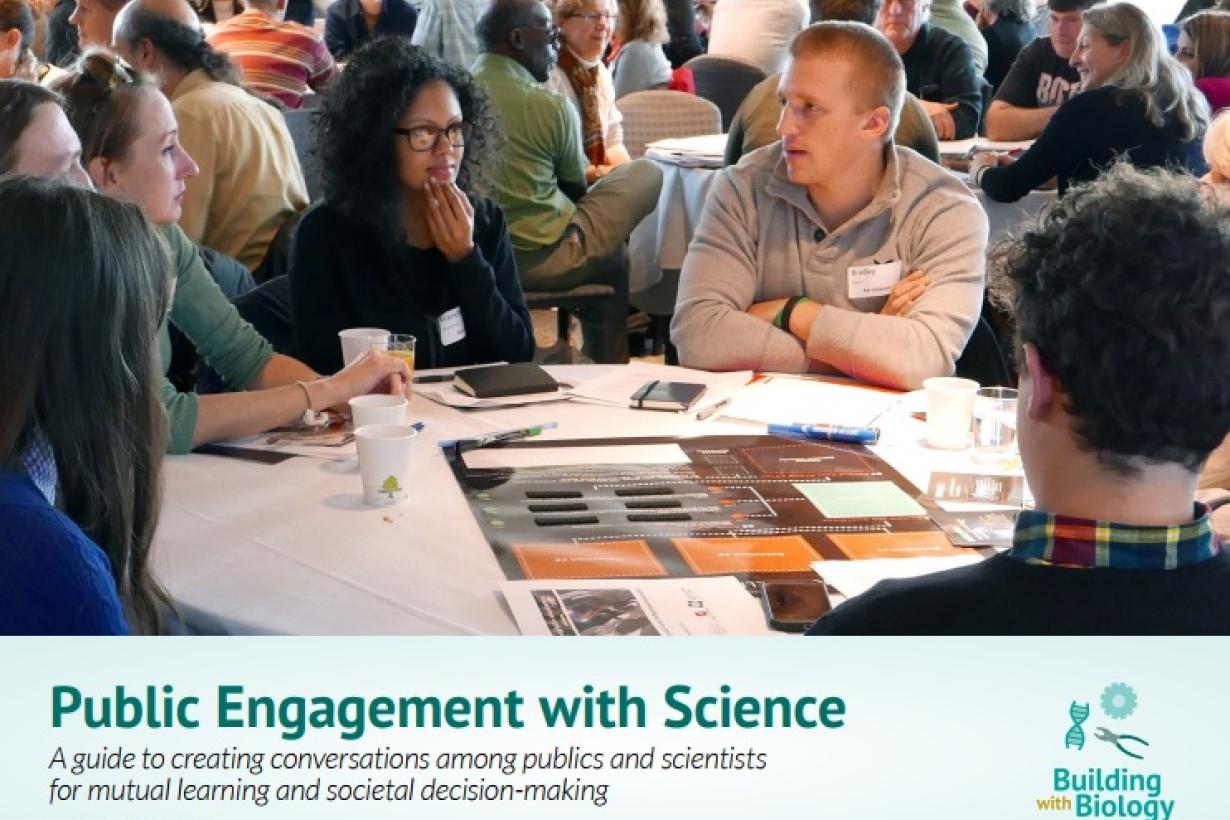
Public Engagement with Science: A guide to creating conversations among publics and scientists for mutual learning and societal decision-making
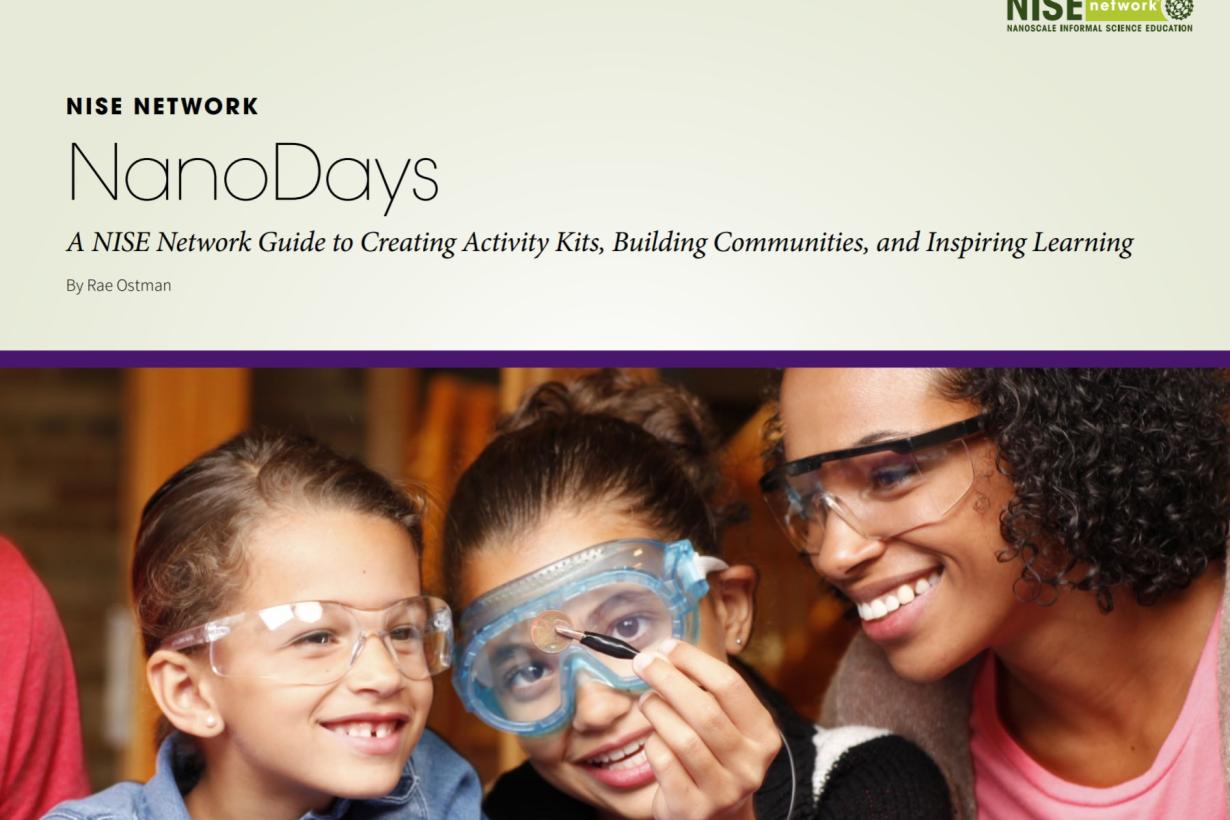
NanoDays: A NISE Network Guide to Creating Activity Kits, Building Communities, and Inspiring Learning
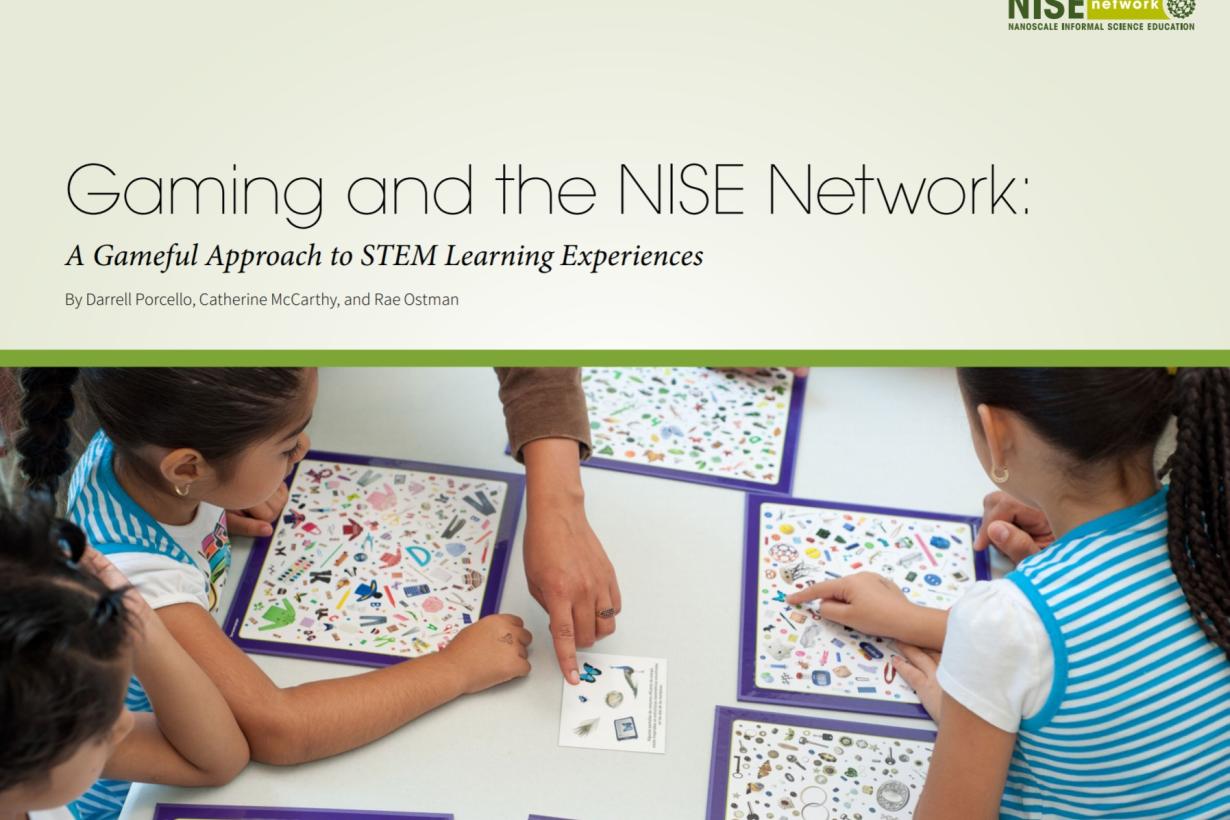
Gaming and the NISE Network: A Gameful Approach to STEM Learning Experiences
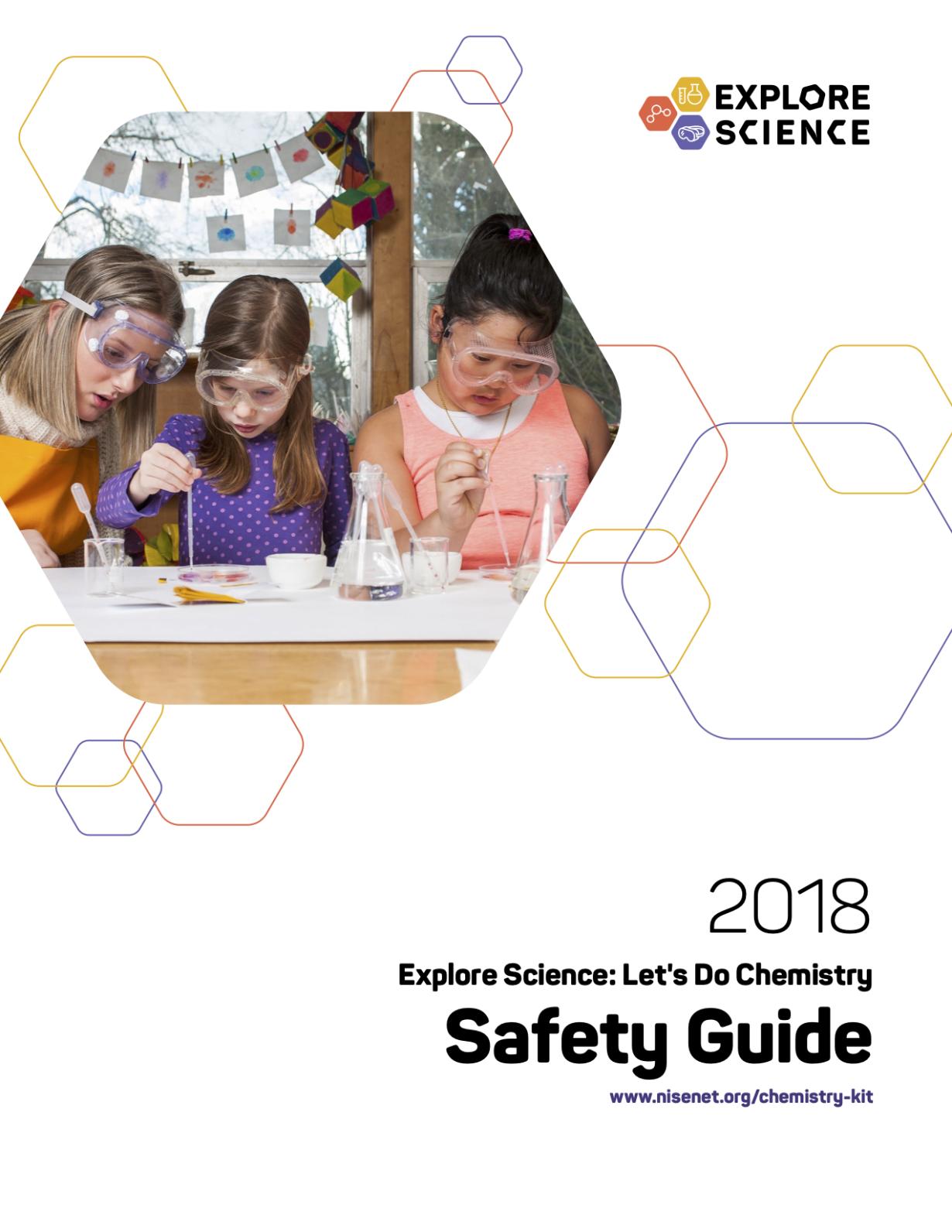
Explore Science: Let's Do Chemistry Safety Guide
Tips Sheets for Engaging Public Audiences
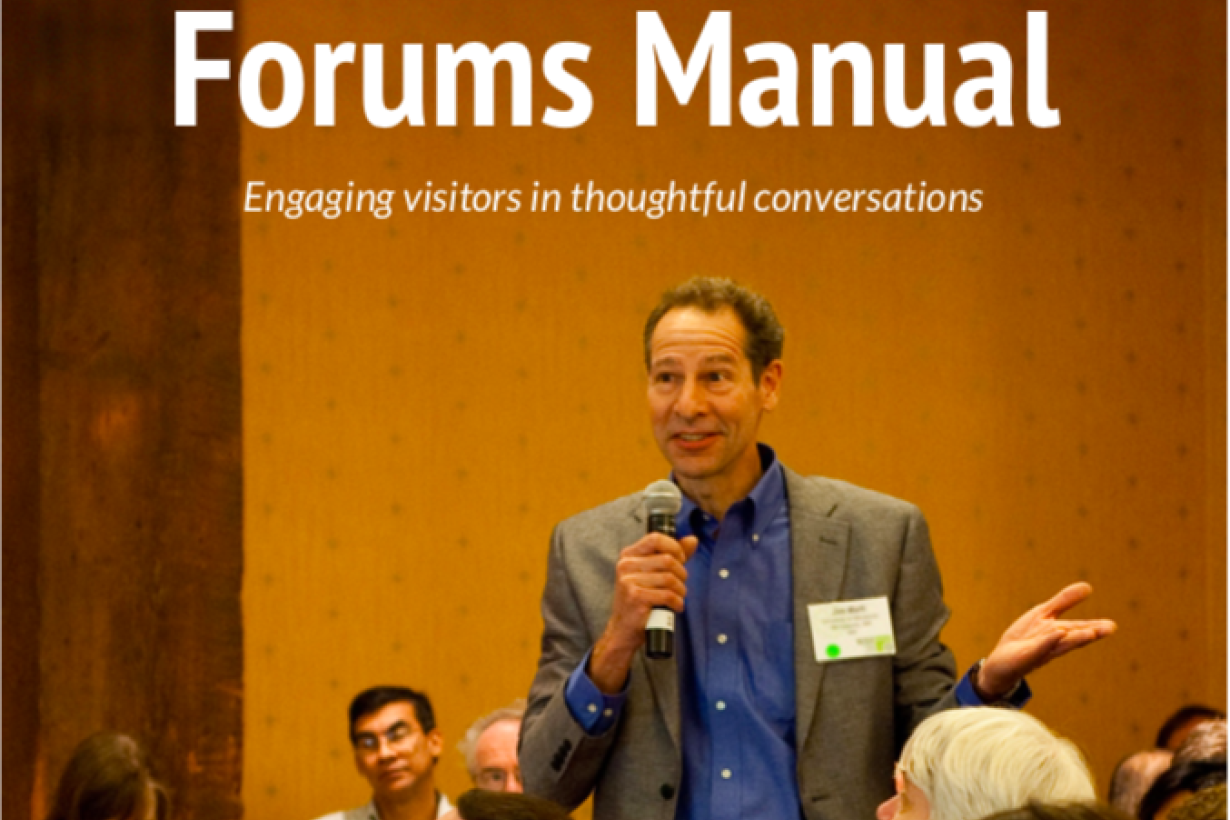
Public Forums Manual
Featured Resources for Engaging Specific Audiences
More about NISE Network's audiences
Tips Sheets for Engaging Public Audiences
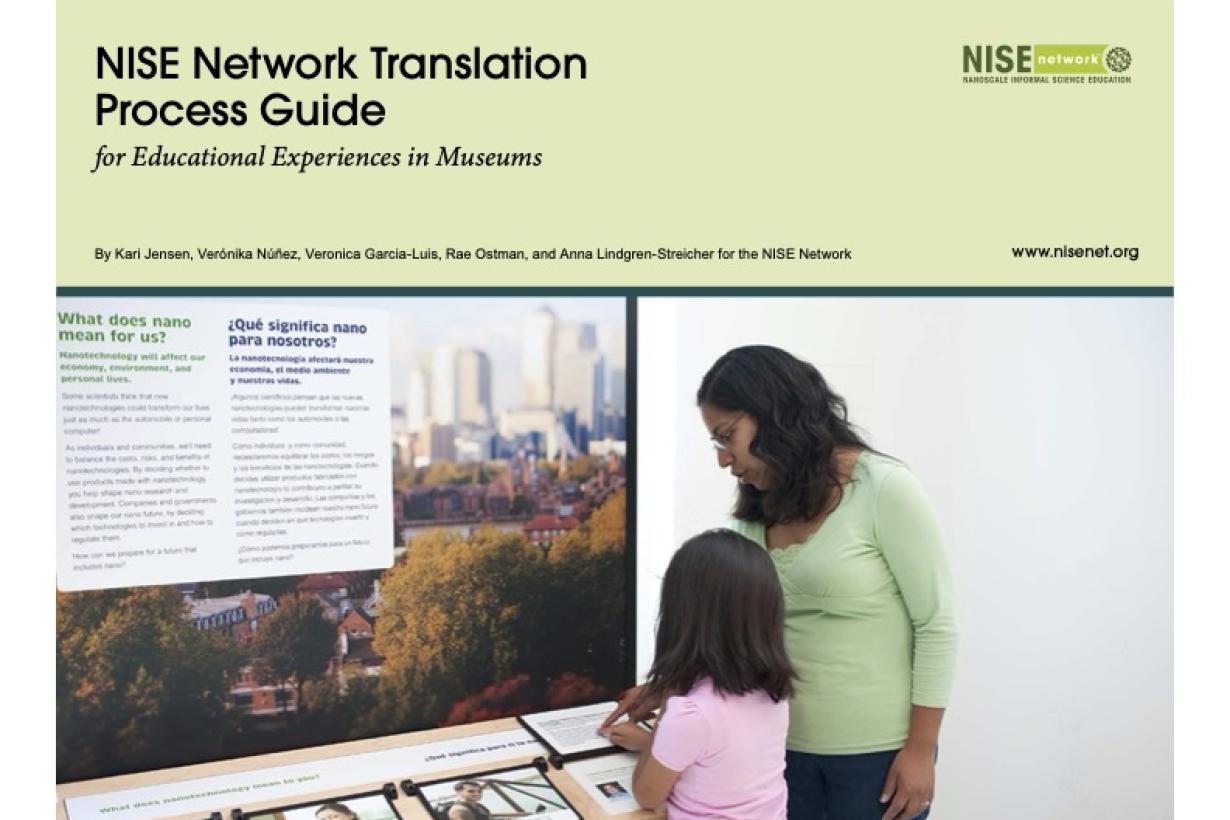
Translation Process Guide
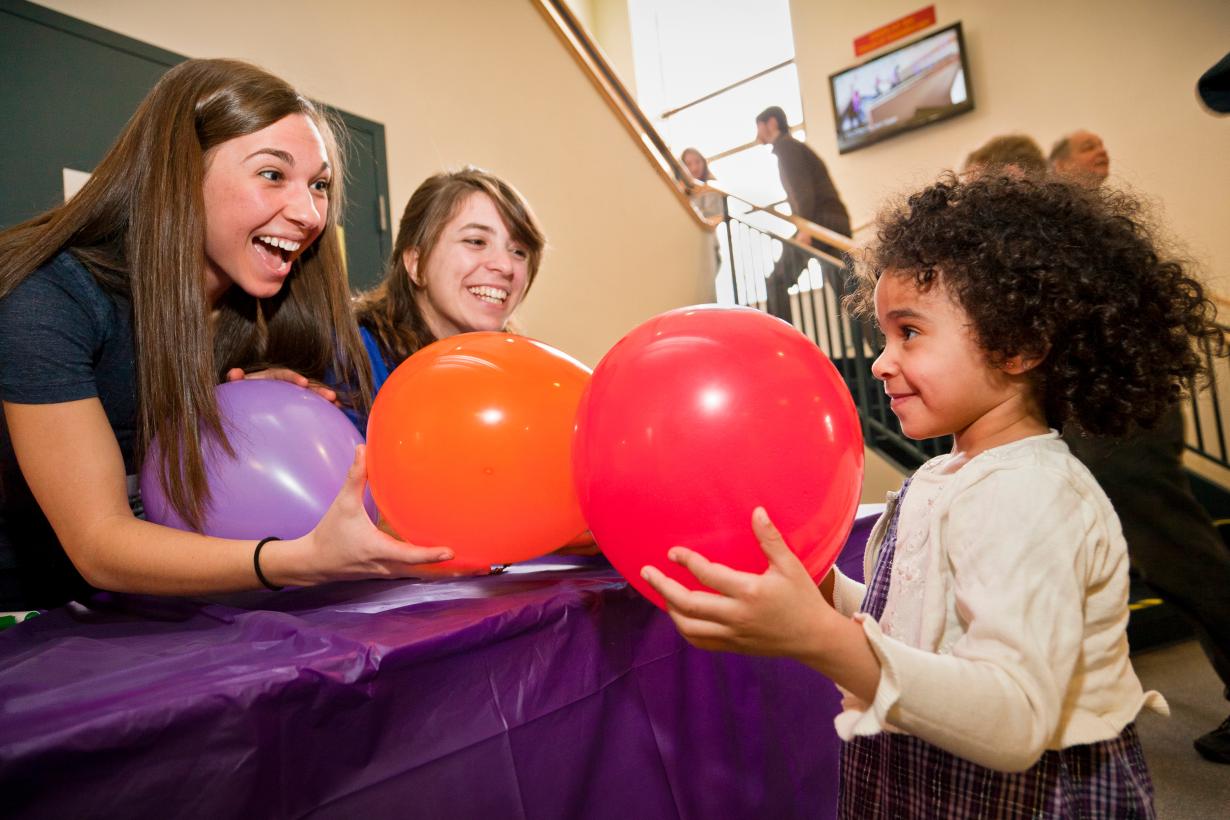
Inclusive Audiences
Spanish Language Resources
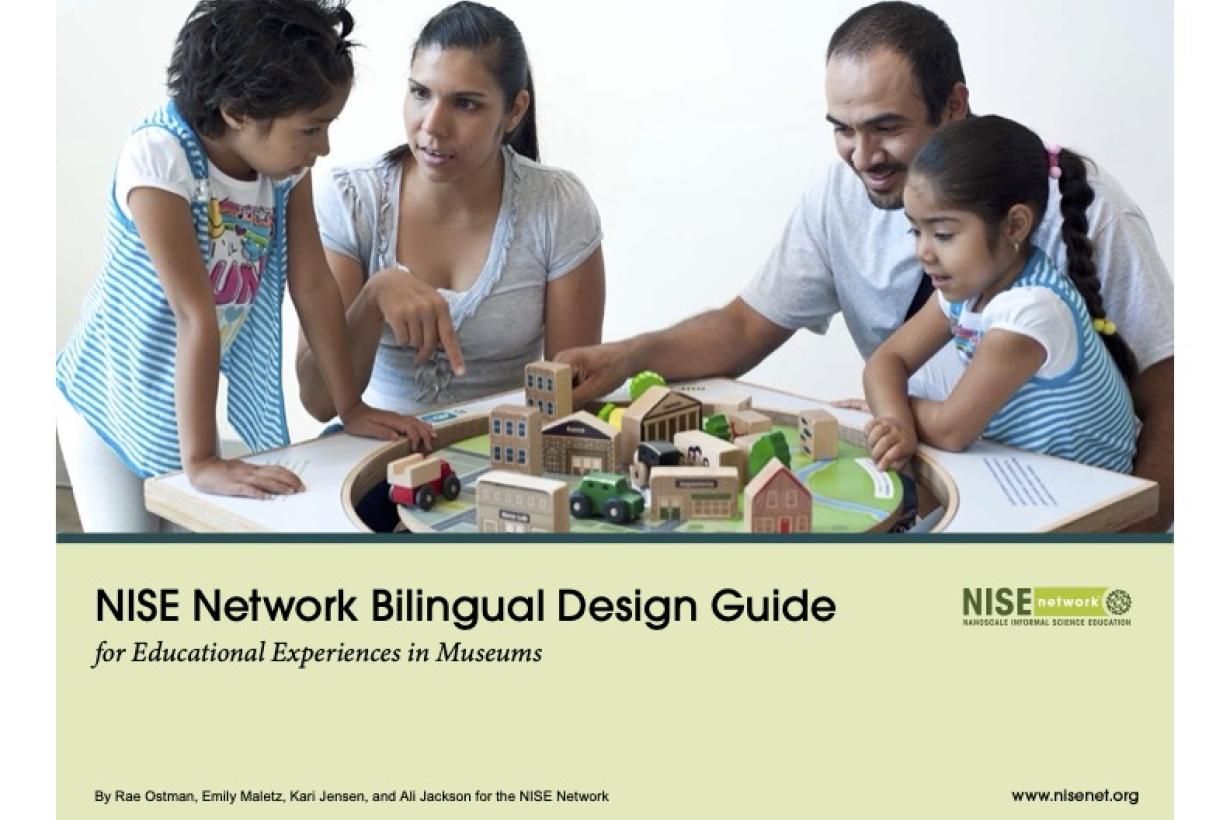
Bilingual Design Guide
Event Planning and Promotional Guides
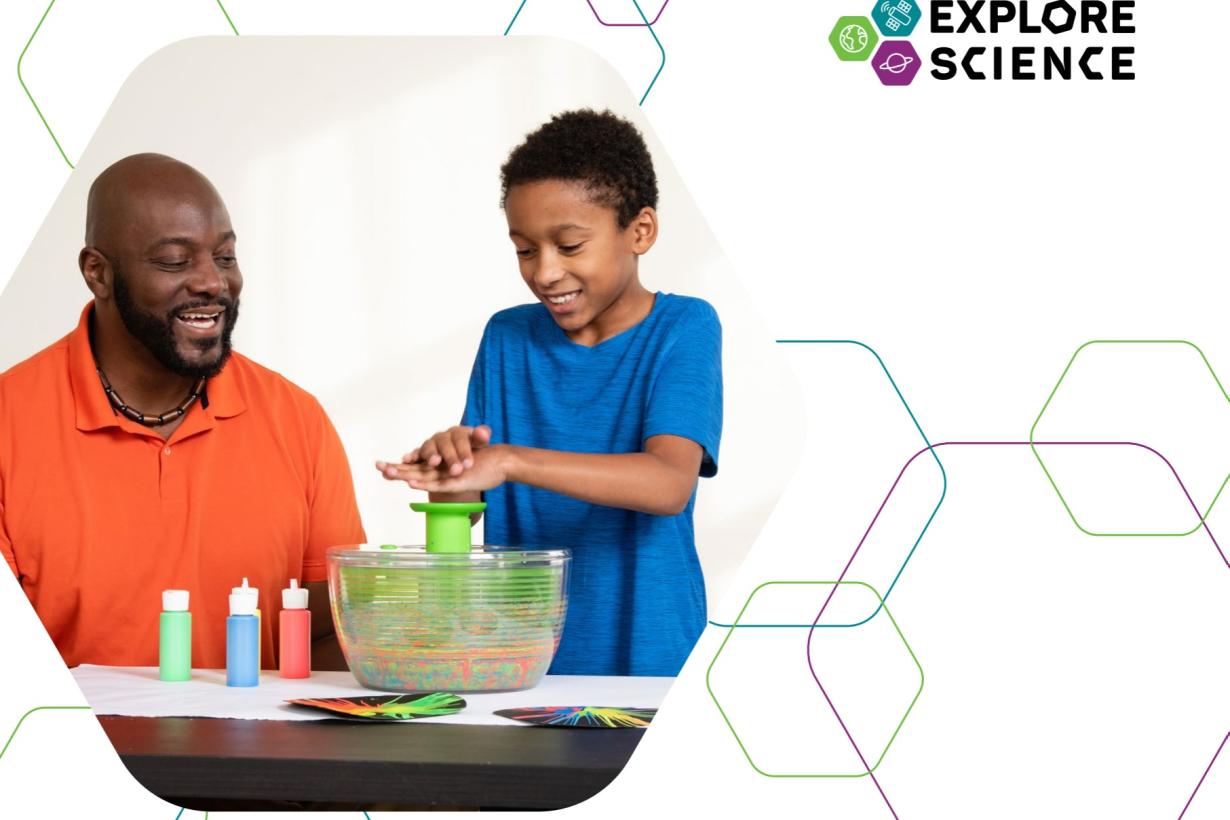
Explore Science: Earth & Space Event Planning and Promotion Guide
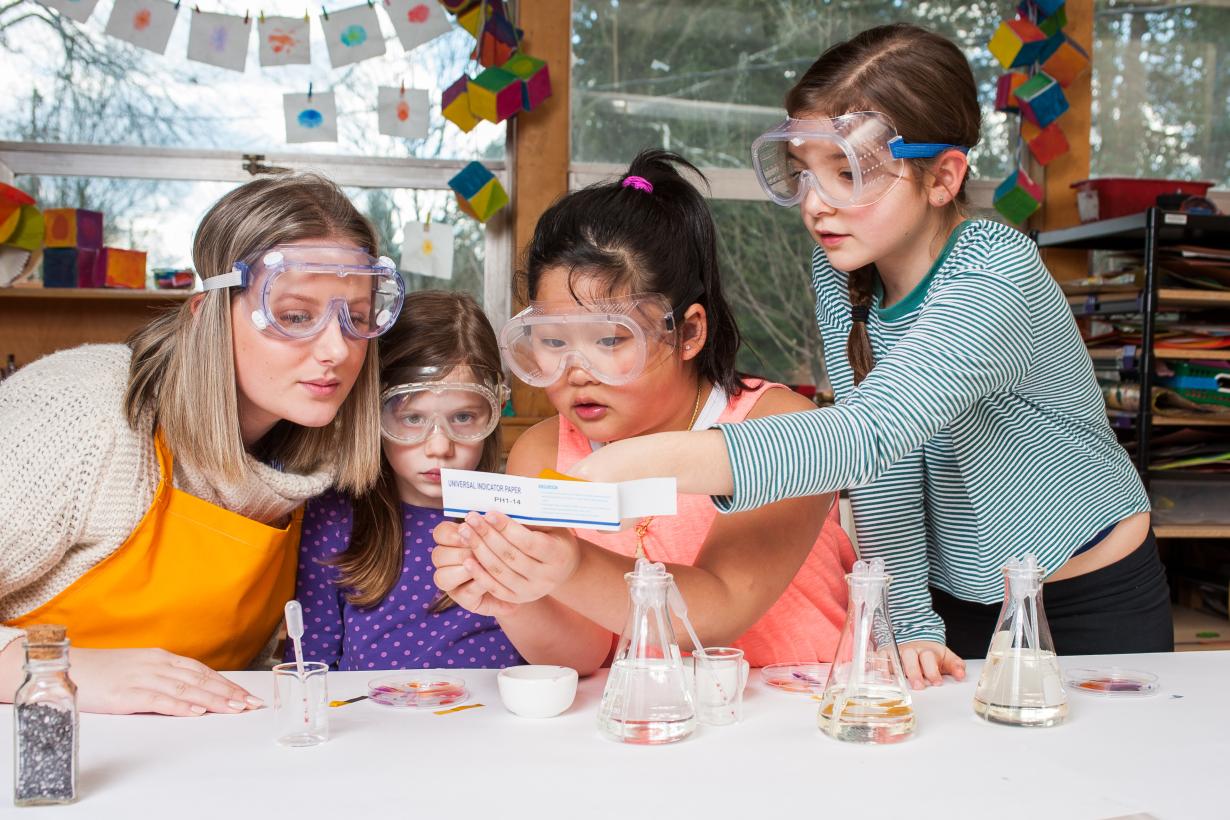
Explore Science: Let's Do Chemistry Event Planning and Partnership Guide
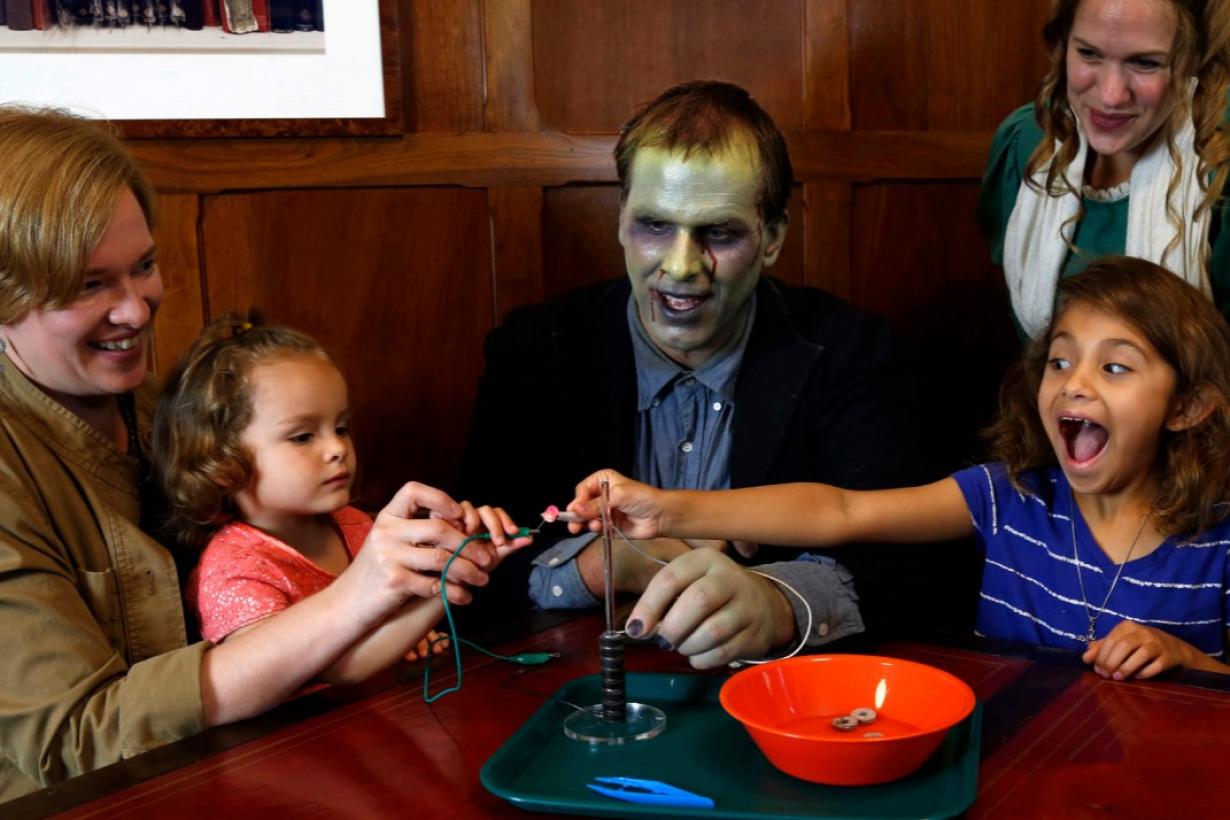
Frankenstein200 Planning and Promotional Materials
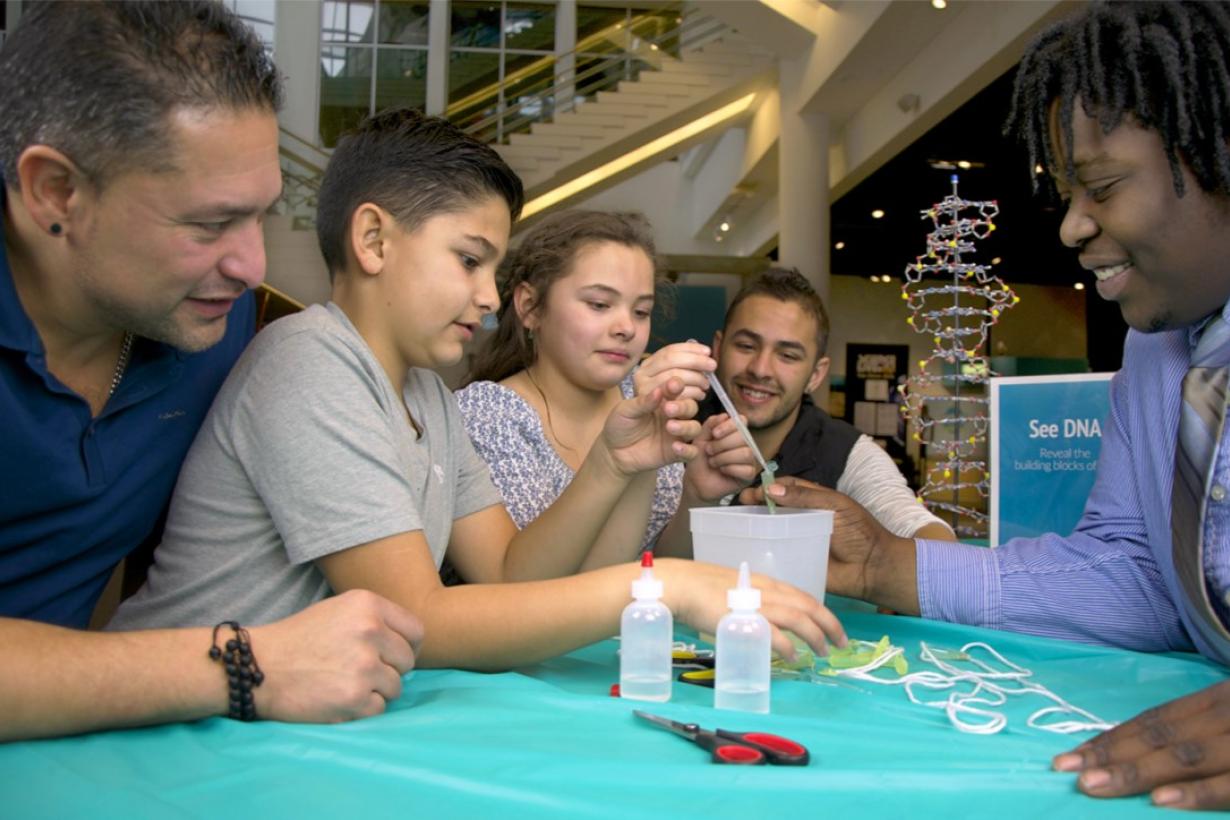
Building with Biology Event Planning and Marketing Guide
Sustainability in Science Museums Planning and Promotional Guide
Explore Science - Zoom into Nano Planning & Promotional Materials
NanoDays Planning Guide
Collaboration Guides
Working with STEM Experts: A Guide for Educators in Museums and Other Informal Learning Settings
Museum & Community Partnerships: Collaboration Guide and additional resources
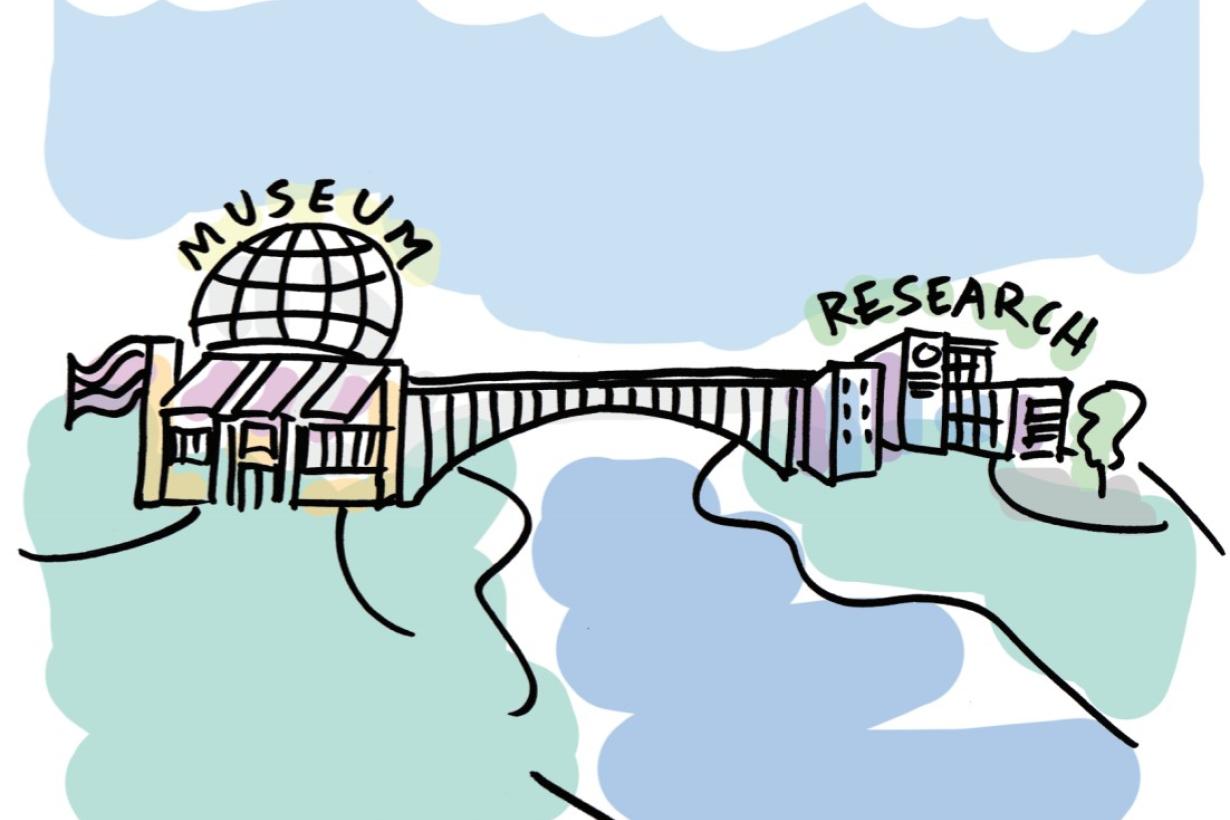
A Guide to Building Partnerships Between Science Museums and University-Based Research Centers
Earth & Space Frameworks
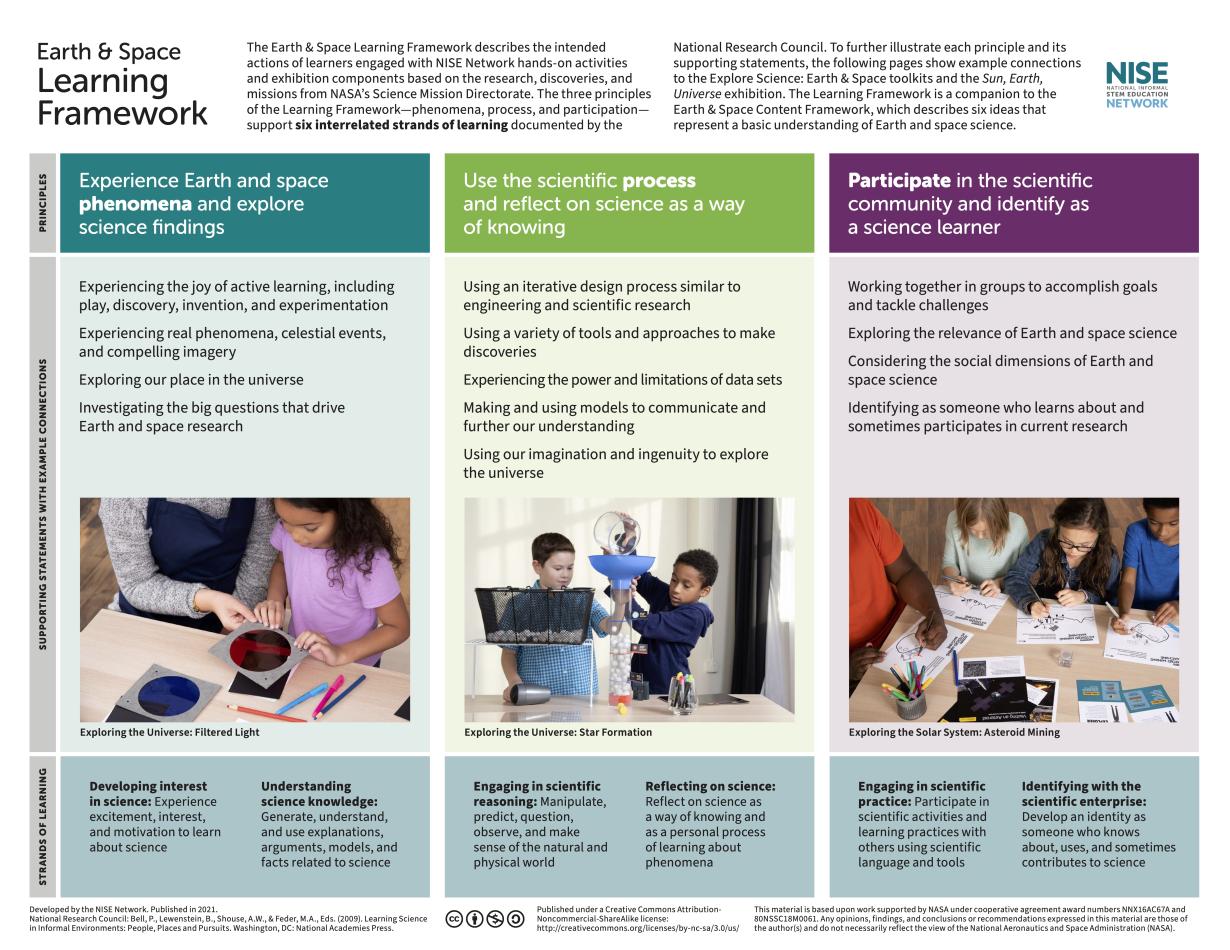
Earth & Space Learning and Content Frameworks
Making Earth & Space Science More Relevant and Inclusive
Intro to Nanoscale Science / Nano 101

Additional Nanoscale Education Resources
- NanoDays Training Resources
- Nanotechnology and Society Guide
- Nano & Society Workshop
- NISE Network Guide - Nano Exhibition: Creating a Small-Footprint Exhibition with Big Impact
- NISE Network Program and Activity Templates
- After School Framework - Nanoscale Science (ages 8-12)
Nano Content Maps & Key Concepts


Browse All Professional Learning for Educators
Resource Highlight: Leading and Managing the NISE Network: Practical Solutions for Creating a Flexible National Network
This guide shares what the leadership of the NISE Net did to create this national supportive network whose scope and scale were unprecedented in the science museum field.
More about NISE Network’s Development Process
NISE Network professional learning resources are created through an iterative, collaborative process that involves professionals in the field of informal science education, scientists with expertise in the content area, and targeted public audiences. This process helps to ensure that our resources and guides represent best practices in public engagement, are scientifically accurate, and are effective experiences for all audiences.
NISE Network’s Development Process
Development Process
Development Process - More Resources