Two recent publications, co-authored by Dr. Darrell Porcello of the Children's Creativity Museum and the NISE Network, reflect the growing interest in exploring the potential societal and ethical implications of neurotechnology—devices that measure or modulate neural activity through a direct connection to the brain or spinal cord. "Towards Inclusive EU Governance of Neurotechnologies" from the Center for Future Generations (CFG) and the Institute of Neuroethics (IoNx), and "Neuroethics hackathons bridge theory to practice" in Neuron (Rommelfanger, Porcello, Salles, & Tournas, 2024) were both strongly influenced by the engagement practices of the NISE Network’s Changing Brains project, which encourages meaningful conversations and reflection on neuroscience topics among participants from diverse backgrounds.

Activities from Changing Brains inspired the design of professional workshops with neuroscientists, ethicists, and policymakers, offering participatory strategies that deeply influenced the ideas and frameworks presented in these two publications. This work is part of the NISE Network’s ongoing efforts to develop science and society activities and professional learning resources that address emerging technologies.
Expanding Awareness of Emerging Technologies in the EU and Beyond
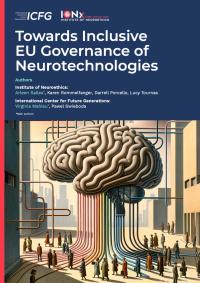
As a think tank based in the European Union, CFG focuses on technologies that promise substantial benefits, or could exacerbate inequalities, disrupt democracies, and cause significant harm through unchecked development or misuse. "Towards Inclusive EU Governance of Neurotechnologies" is a report that underscores the urgency of addressing societal questions raised by neurotechnology and argues for the need for European and international governance frameworks that are adaptive, conceptually sound, inclusive, and anticipatory. One of the key findings from the report is the need to engage diverse communities to ensure that neurotechnology develops in a way that reflects societal needs and values. Specifically, experts alone cannot predict the unforeseen uses and consequences of neurotechnologies, making public involvement essential. A pivotal moment in the development of this report was a workshop that invited European stakeholders from the neuroscience community to collaboratively explore governance ideas for neurotechnology.
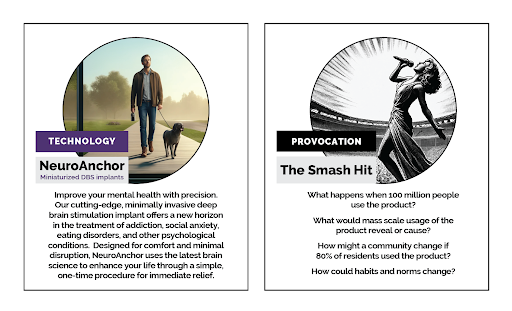
To spark conversations, Dr. Porcello, along with workshop leaders from IoNx and CFG, developed a series of future technology scenarios inspired by the NISE Network’s Neuro Futures Card Game and based on both current and potential neurotechnologies These scenarios were paired with a set of provocation cards that posed challenging questions about the possible implications of these fictional technologies.
Participants left the transformative experience with a deeper understanding of the unexpected outcomes and unique challenges of neurotechnology, enabling them to anticipate governance opportunities and challenges beyond traditional safety and regulatory compliance frameworks. The evaluation of the Neuro Futures Card Game and other Changing Brain activities showed their ability to evoke imagination, foster empathy, and spark conversations, deepening participants' engagement with complex neuroscience topics. Whether conducted with learners on the museum floor or experts in professional settings, combining future scenarios with provoking questions that expose conceptual grey areas effectively helps participants explore how their values can shape the development and use of emerging technologies.
Neuroethics Hackathons with Early-Career Neuroscientists
Neuroethics is the systematic reflection and analysis of both individual and societal issues raised by neuroscience and emerging neurotechnology. The second publication, "Neuroethics hackathons bridge theory to practice." in Neuron, highlights the innovative use of hackathons to foster ethical reflection and practical problem-solving. At the 2024 Federation for European Neuroscience Societies (FENS) Forum, 27 early-career neuroscientists participated in a structured, four-hour event designed to address ethical challenges in neurotechnology. Teams were pre-selected to maximize diversity across disciplines, geography, and career stages. Participants worked collaboratively on tasks that included upgrading fictional technologies, exploring ethical provocations, and leveraging tools such as the OECD Neurotechnology Toolkit and Neuroethics Questions for Neuroscientists from the International Brain Initiative.
Hackathon organizers from IoNx and Dr. Porcello adapted participatory methods from the NISE Network’s Changing Brains project, once again using the future scenario-based materials inspired by the Neuro Futures Card Game. Participants explored how their values and expertise could shape responsible innovation for neurotechnologies, fueled by evocative questions and prompts adapted from public engagement activities. Their collaborative efforts culminated in presentations to a mock policy jury, showcasing technology upgrade ideas that integrated ethical considerations and governance strategies. Judges evaluated teams on their ethical awareness, problem-solving, and presentation logic, reinforcing the hackathon’s role as a bridge between theory and actionable innovation.
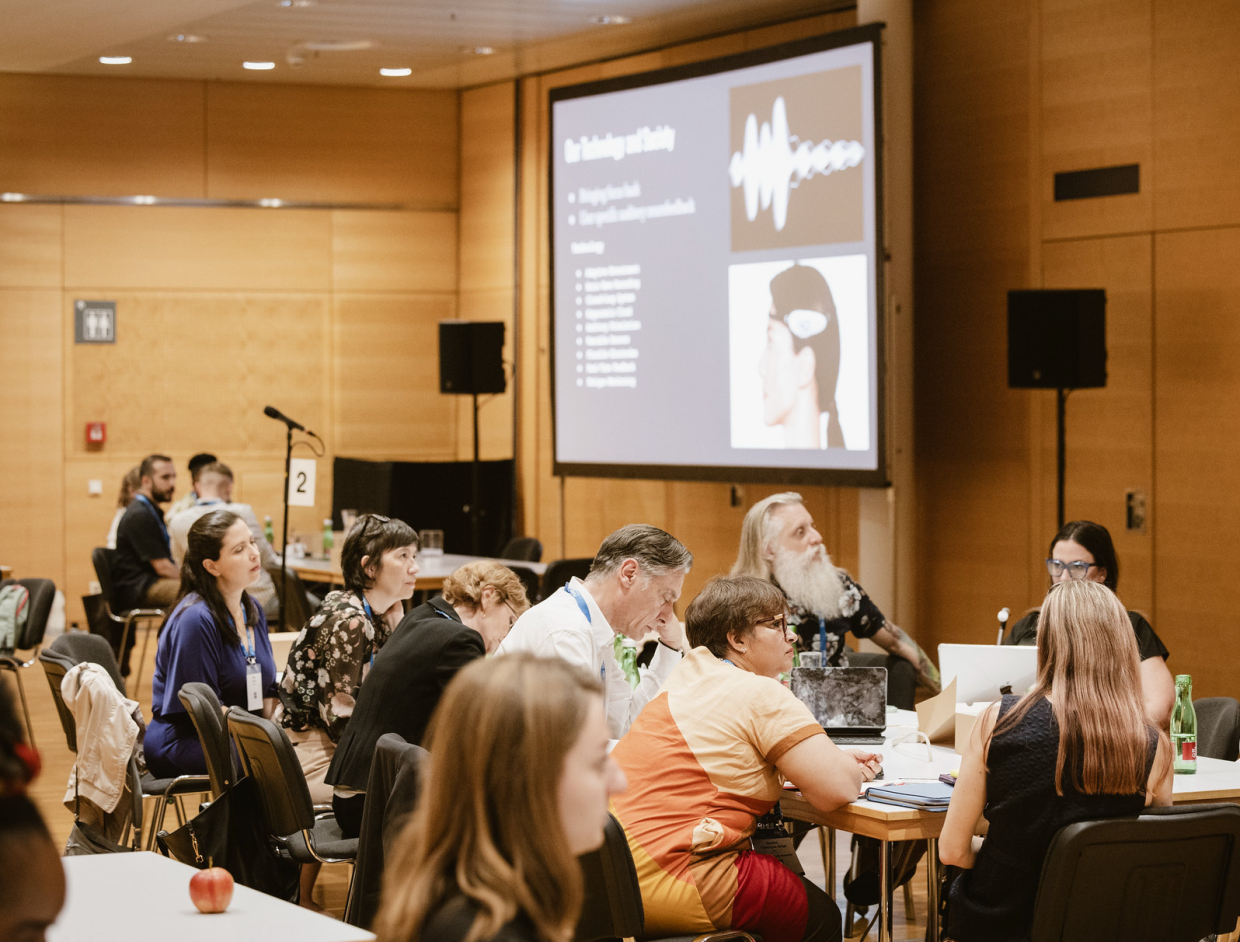
The hackathon was also a learning experience for IoNx, demonstrating the importance of customizing materials and themes to align with participants' interests and concerns—similar to the practices of NISE Network partners preparing for a public programming event. Many participants valued the rare opportunity to collaborate across disciplines and cultures, breaking out of academic silos to engage in open dialogue. Furthermore, by fostering a safe space for discussions, the hackathon encouraged participants to collectively identify and articulate shared values, adding these into their technological solutions. As with the goal of the Changing Brains project, the hackathon emphasized the importance of embedding ethical reflection into the development of future technologies while cultivating attributes such as creativity, reflexivity, and cultural curiosity. Rich with diverse perspectives and collaboration, the hackathon’s more interactive and personal nature reinforced its role as a novel community experience in science—hopefully inspiring participating neuroscientists to add these practices into their future work.
Why Public Engagement Materials Matter
These publications exemplify how projects like Changing Brains can bridge the gap between cutting-edge neuroscience research and public understanding. They also demonstrate the power of intentionally designed engagement materials in supporting collaborative efforts of experts and shaping a more informed and inclusive discourse on emerging technologies. As the field continues to evolve, the ongoing work of the NISE Network will remain crucial in empowering communities to actively participate in conversations about their future and how it will be impacted by emerging technologies.
Learn More
More brain and neuroscience public engagement resources:
https://nisenet.org/neuro