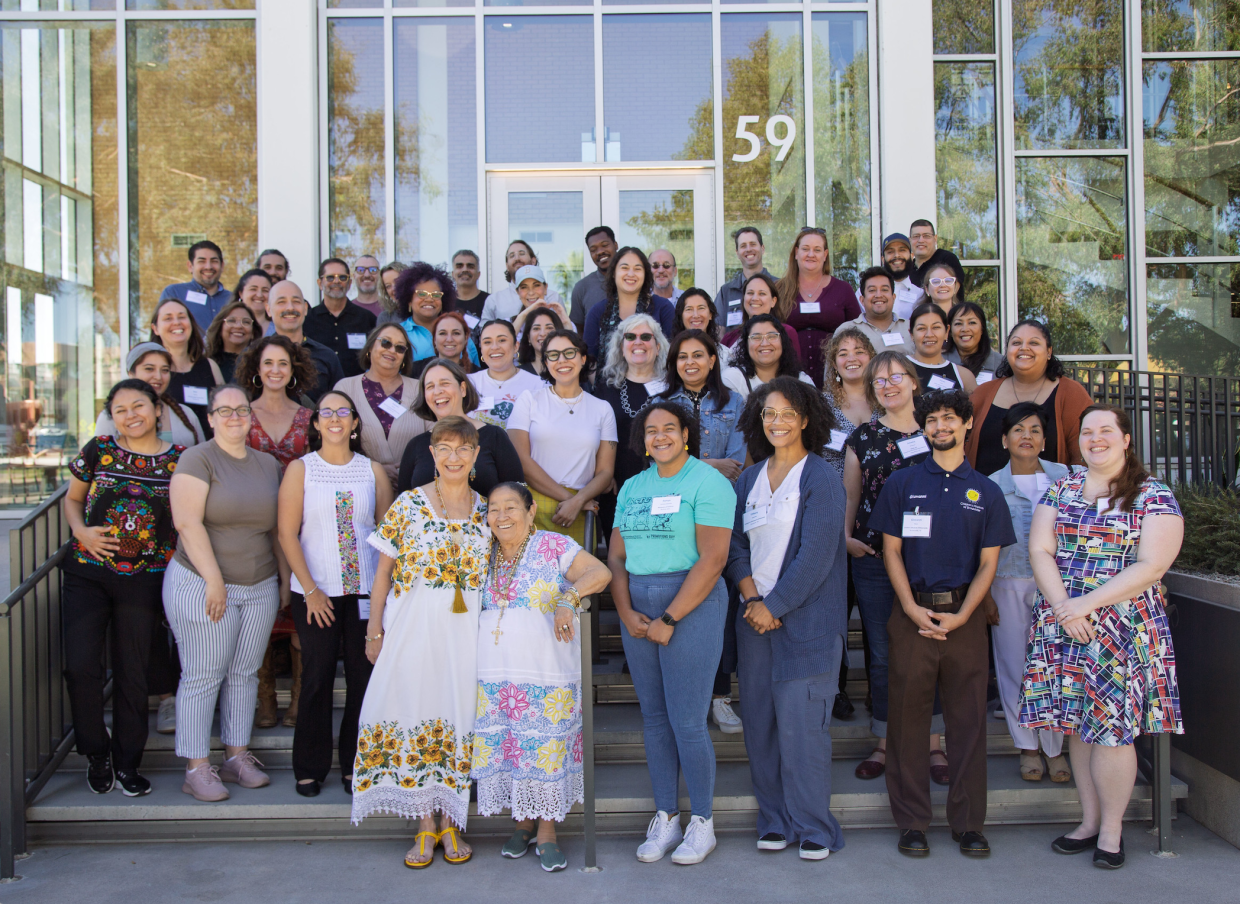
Two complementary NASA-funded projects focused on increasing the capacity of informal educators to engage local communities recently held a joint meeting in Mesa, AZ to learn and share from each other. This successful gathering of two projects part of the NISE Network’s Co-creating with Communities work with NASA), brought together educators, community members, and subject matter experts who are at various stages of co-created STEM engagement with Latinx learners in their communities. These projects are co-developing hands-on learning materials with their community and subject matter experts in order to create authentic learning experiences that explore NASA Earth and space science, sustain Hispanic cultures and languages, and support family and community priorities.
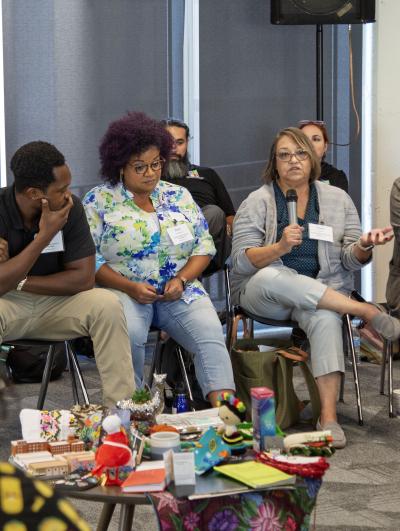
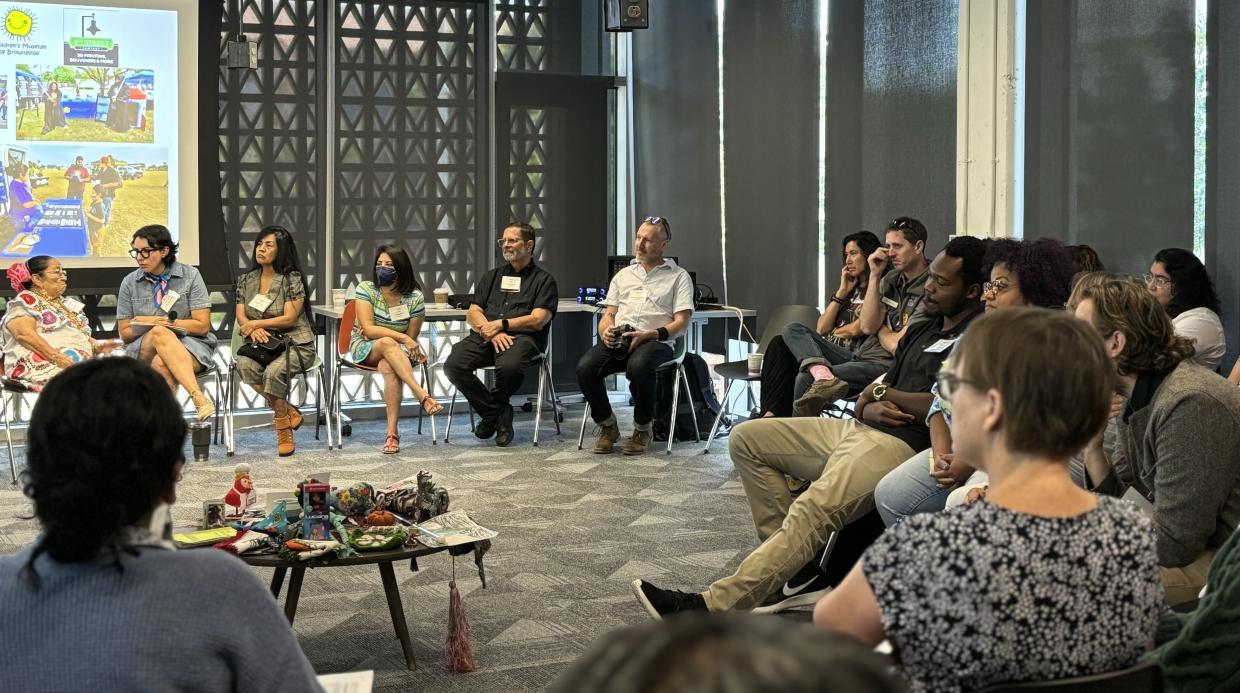
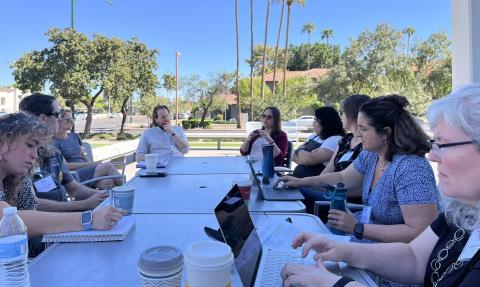
The meeting gave all collaborators the opportunity to share about current progress on their projects, discuss challenges with peers and reflect on how both initiatives can support each other as work moves forward. In addition to the typical meeting agenda items, this gathering utilized a variety of strategies to engage the group more deeply, personally, and allowed for exploration around the cultural roots of STEM. First, the gathering started by seating all participants in a circle. The small change was incredibly effective, as it helped open dialogue among the diverse group. This was instrumental to another activity that morning called “pair and share.” Participants were asked to bring an object that represents an aspect of their identity and then pair up with someone at the meeting that they did not know well to share about the object. The activity was profound in the way that it opened participants up to speak freely and welcome all personal values and backgrounds into the conversation. This theme continued throughout the meeting, as conversations continued around the circle, now with a small table set in the middle displaying everyone’s objects as a physical representation of the coming together of personal identities in the room.
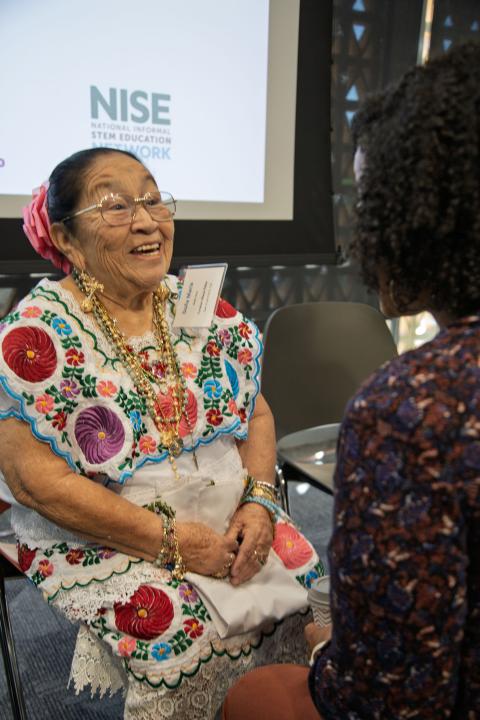
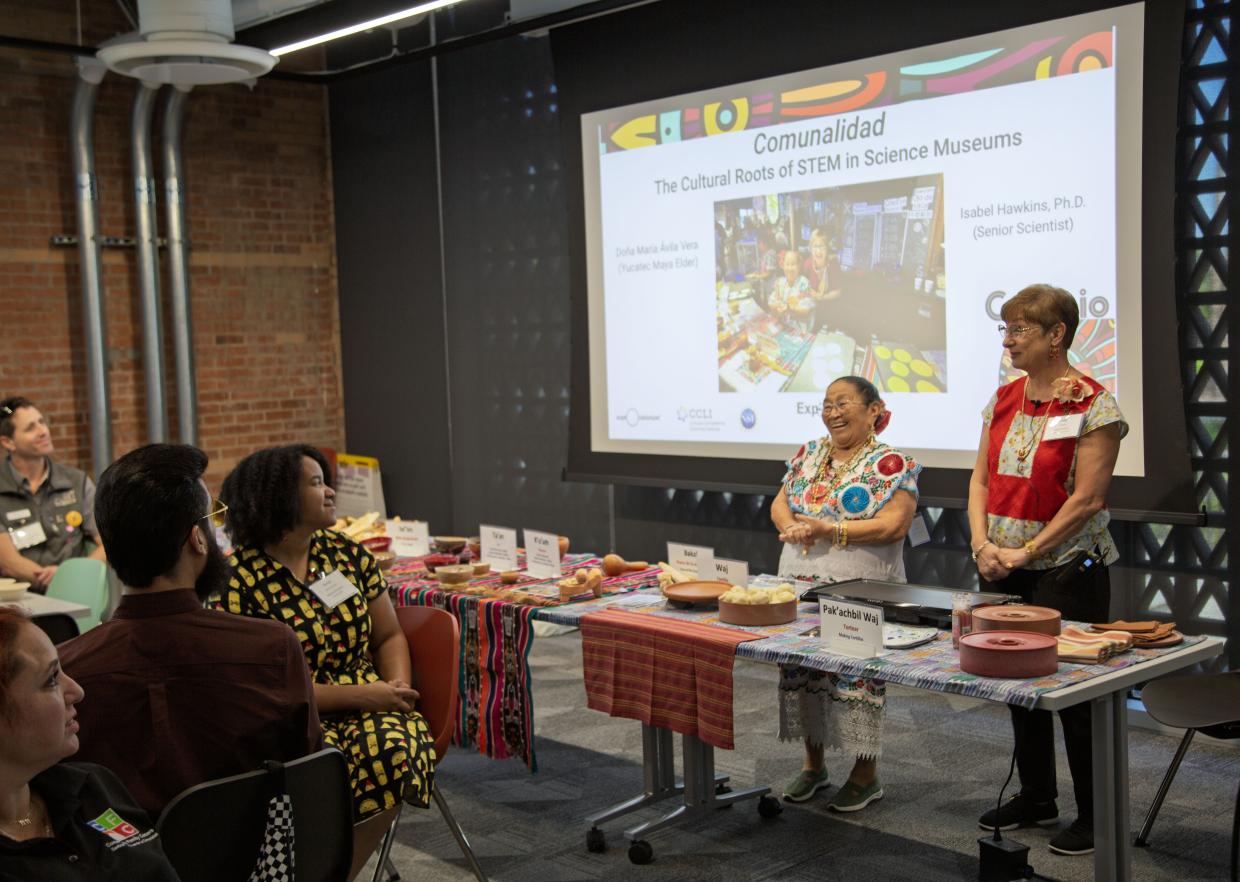
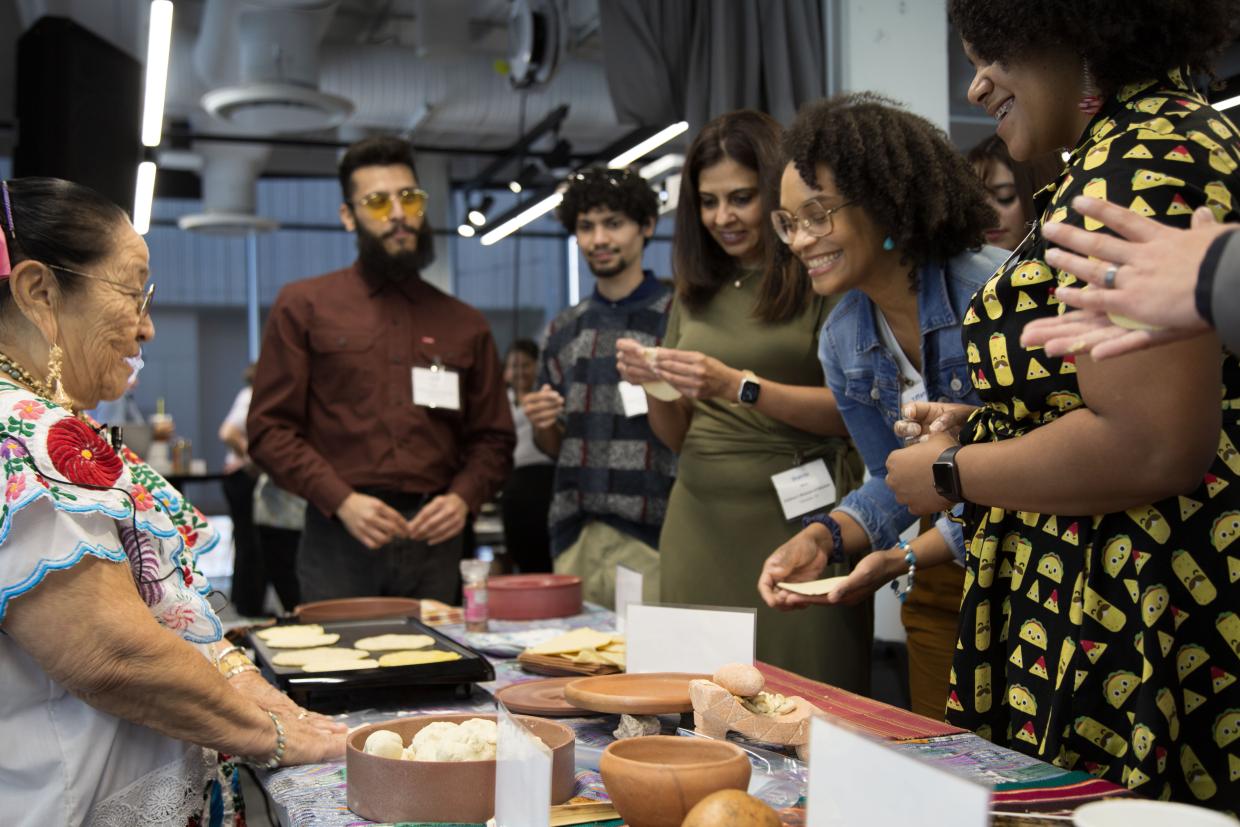
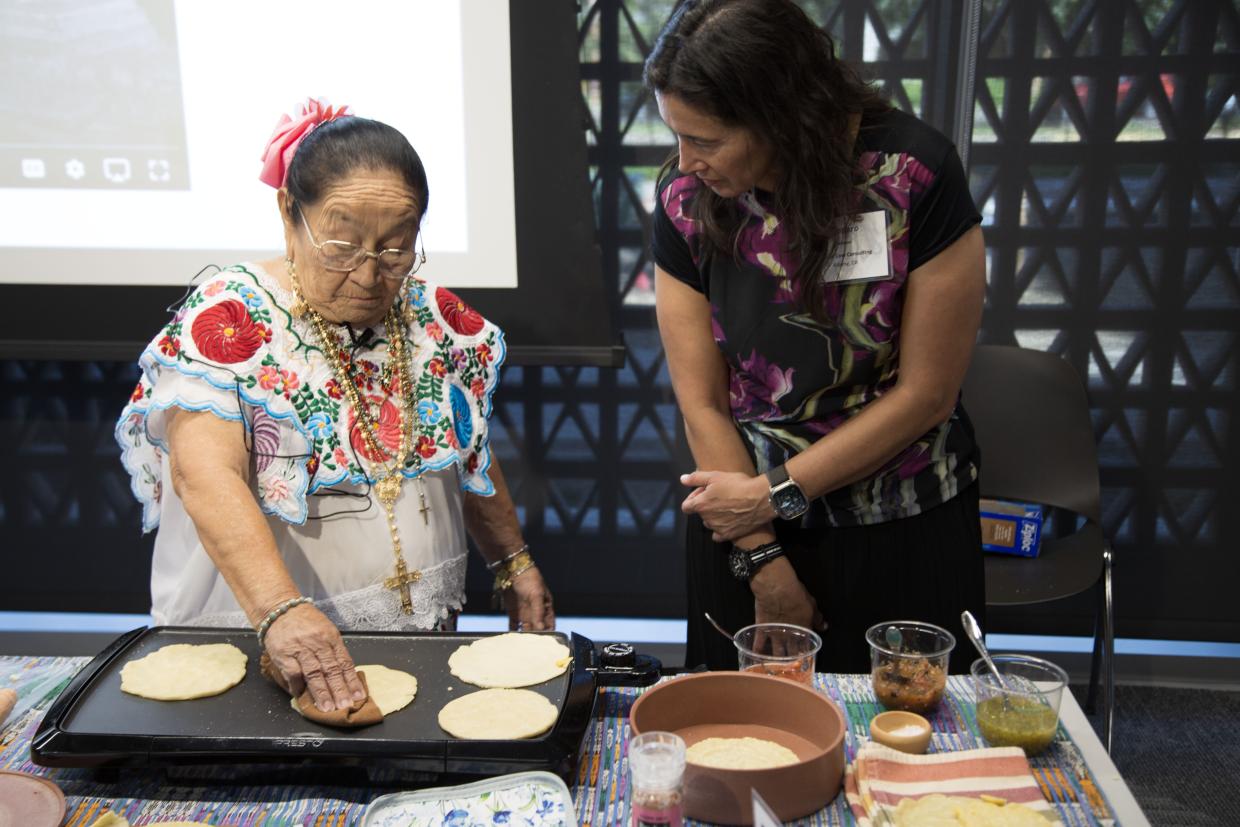
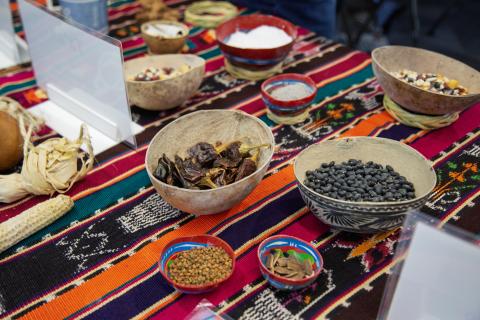
Later in the agenda, another activity that created a dynamic space for group engagement was presented by Isabel Hawkins from the Exploratorium and Doña María Ávila Vera, a Mayan elder. The two walked participants through the art, science, and rich cultural history that can be found in the simple act of making tortillas. This hands-on demonstration led by Hawkins and Ávila Vera exemplified how educators can seamlessly connect science and culture while also making content more relevant and inclusive to our communities.
The whole event was a tremendous undertaking for the core team at Arizona State University, who was on the ground ensuring the meeting ran smoothly while also planning for events as part of Mesa Arts Center's 19th Annual Día de los Muertos Festival in downtown Mesa that immediately followed this gathering (read more about ASU's participation and the annual festival here: https://nisenet.org/blog/post/space-medallion-adaptation).
Thank you to all those who planned and participated in this inspiring event! For NISE Network partners, please stay tuned in the coming year (2025-2026) as resources from this project such as activities and professional learning materials will be shared more broadly. Until then, you can learn more about NISE Network Spanish Language Translations and Bilingual Resources here: https://www.nisenet.org/spanish